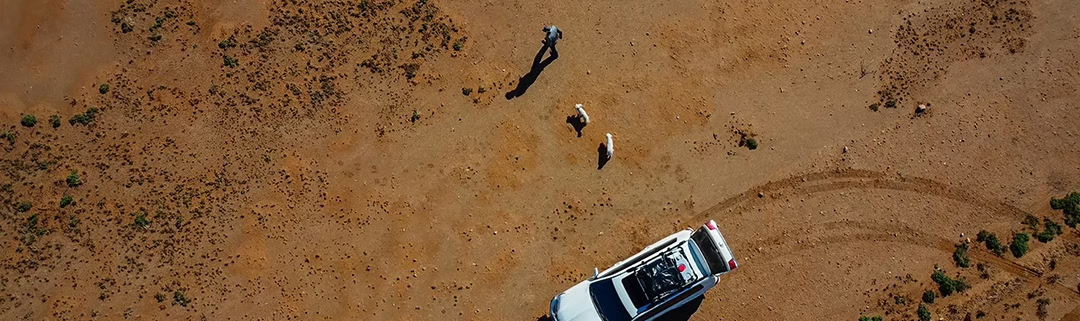
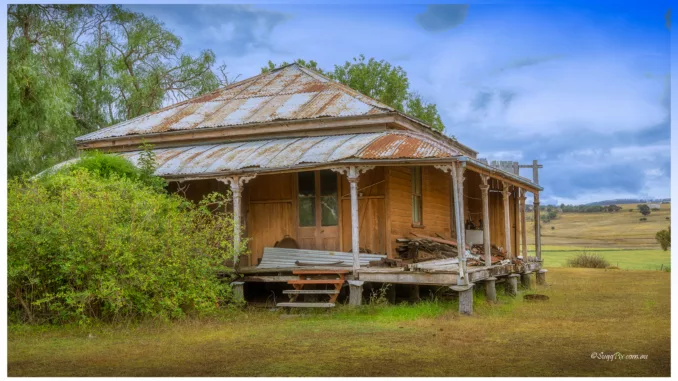
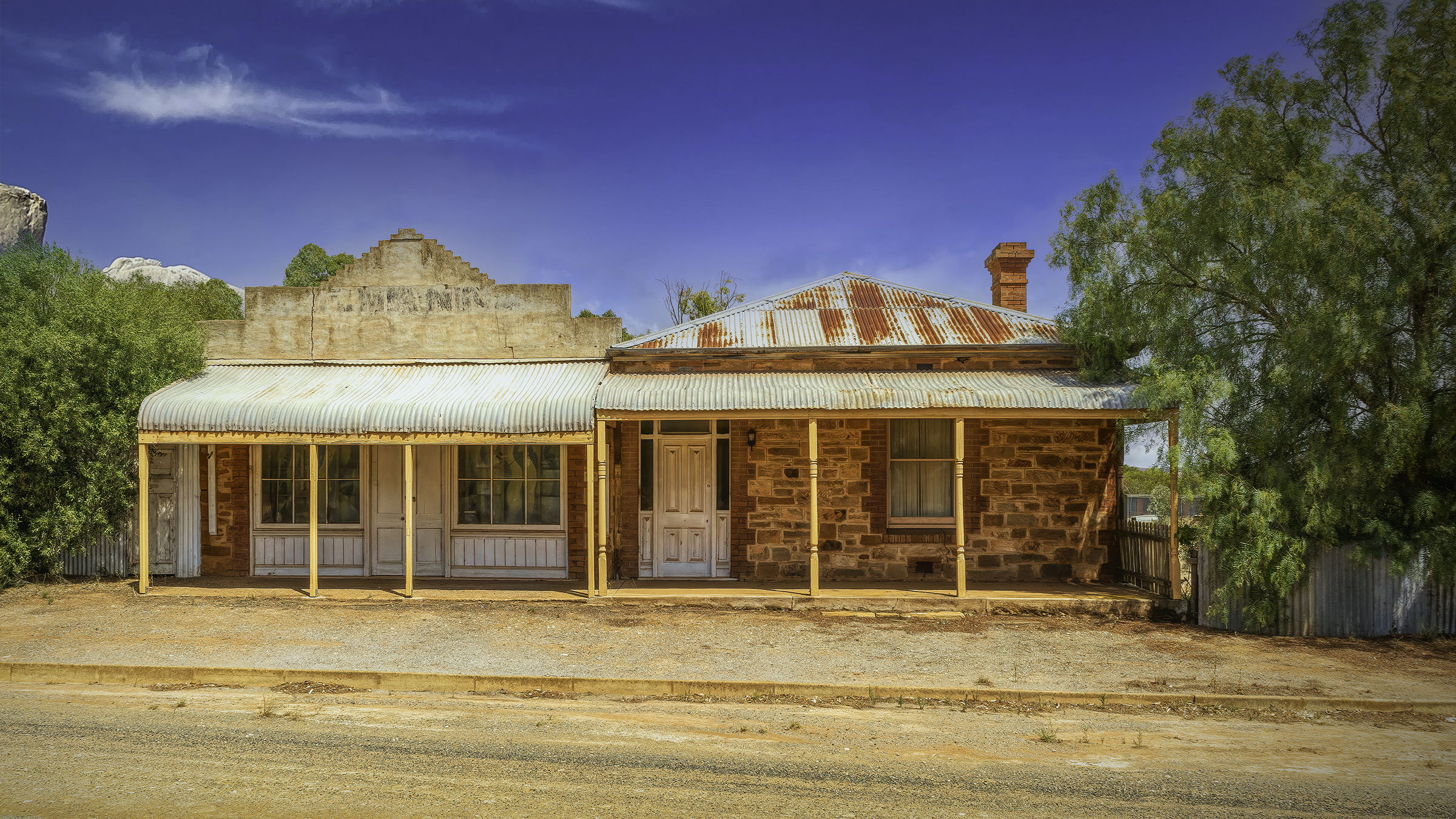
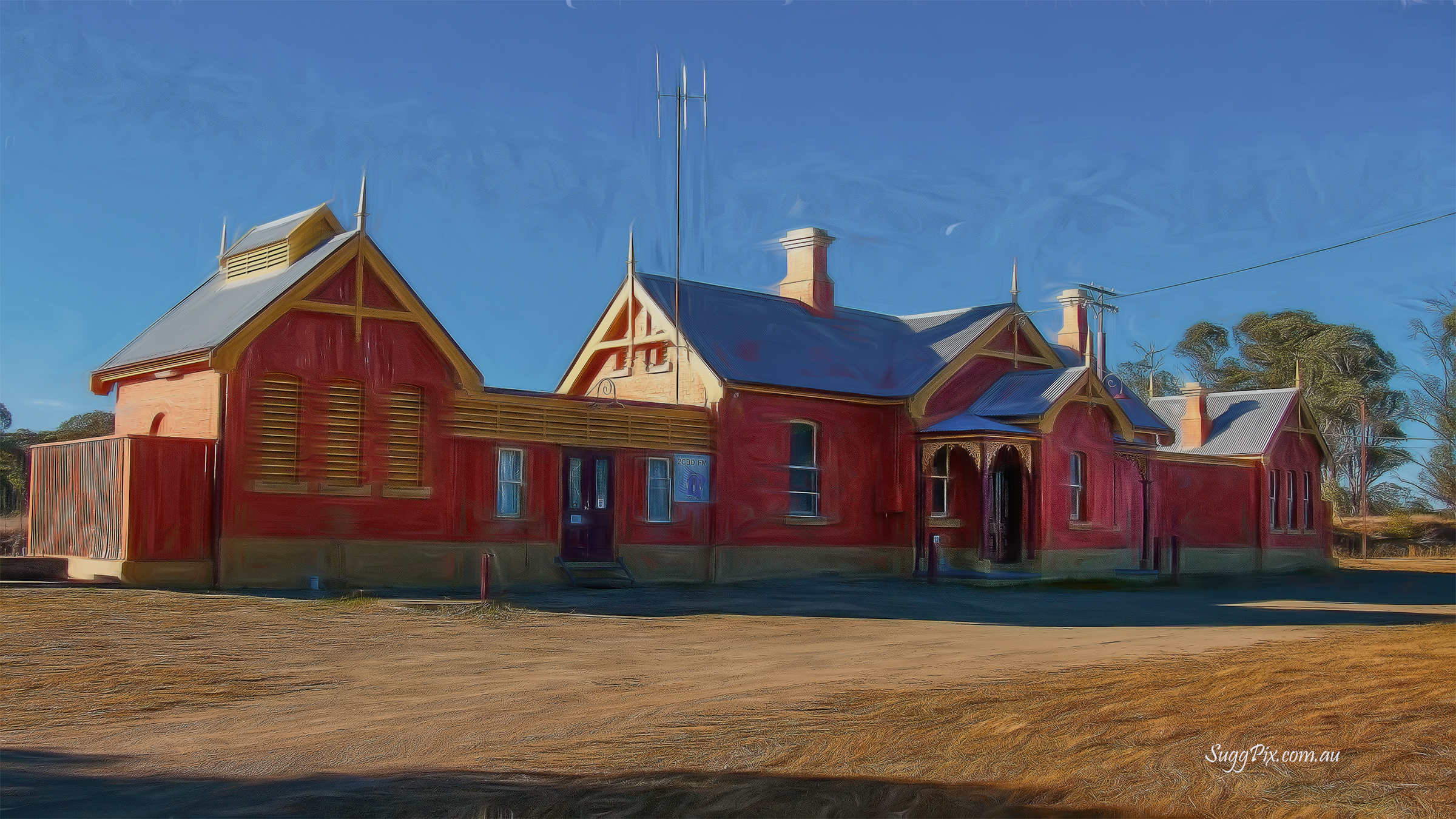
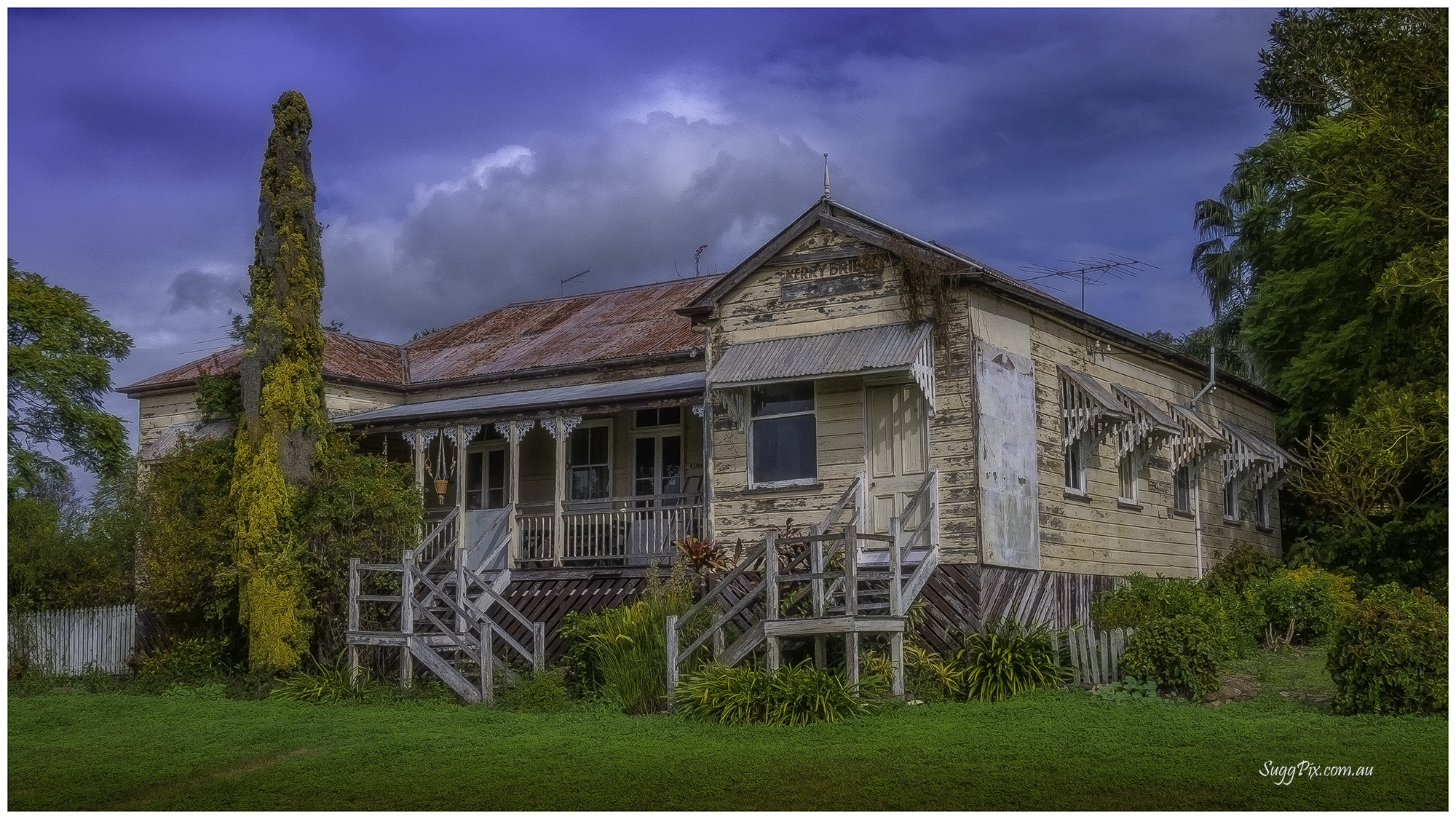
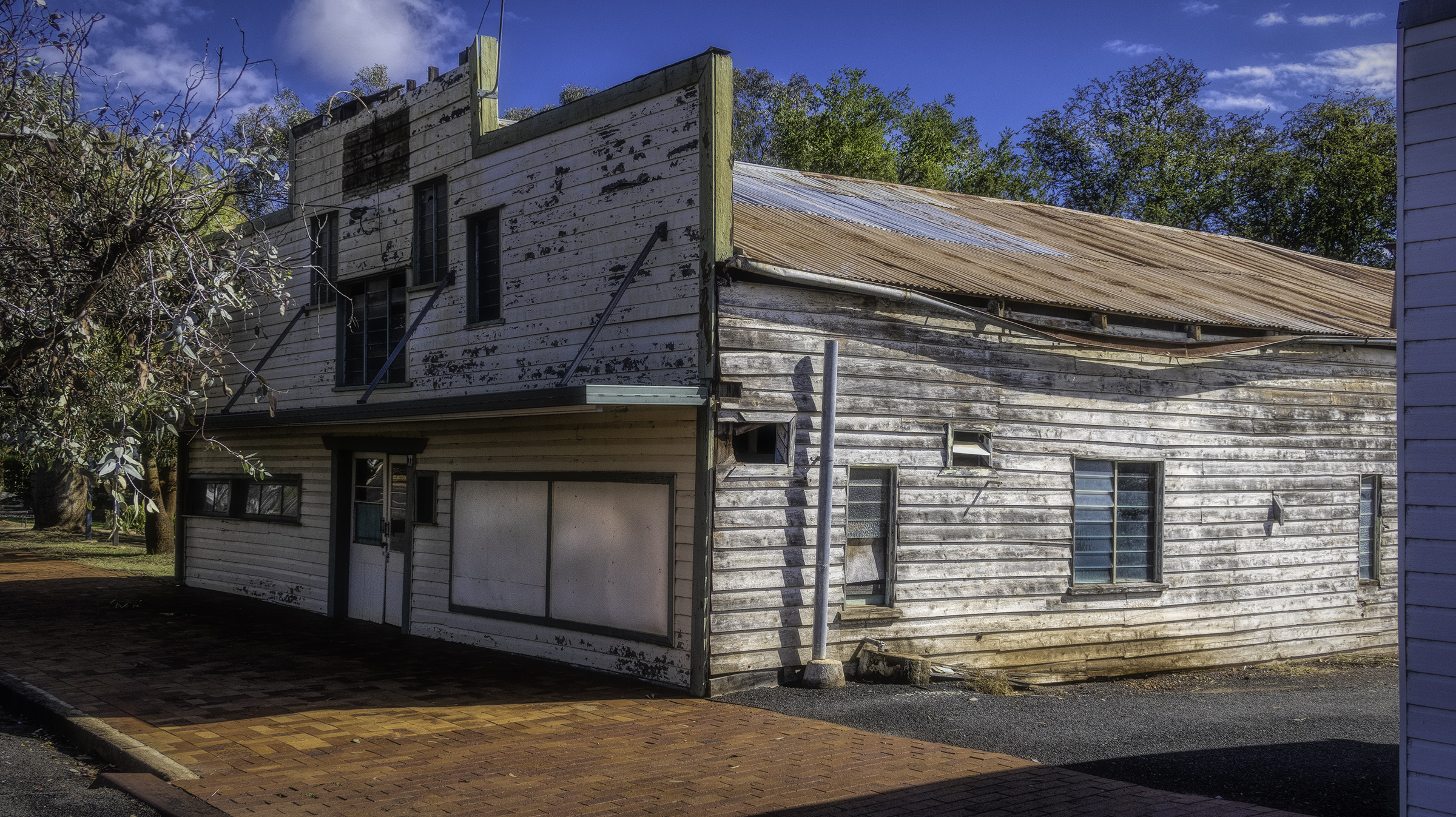
The abandoned buildings left behind by the pioneers possess a haunting beauty that speaks across generations. Weathered timber walls lean under the weight of countless seasons, their paint long faded by sun, wind, and rain. Empty doorways stand open to the landscape, as if still waiting for the return of families who ventured into unknown country with courage and hope. Though silent now, these lonely structures seem filled with echoes of everyday life: the laughter of children, the crackle of hearth fires, and the determination of those who carved homes from the wilderness.
There is a deep romance in the pioneer era, born not from comfort but from resilience. The pioneers lived close to the land, facing hardships that modern people rarely encounter. Every cabin, barn, and schoolhouse represented years of labor and sacrifice. Yet within that struggle existed a powerful sense of possibility. Vast horizons promised new beginnings, and each journey westward carried dreams of prosperity, independence, and adventure. The abandoned remnants of their settlements remind us of both the ambition and the fragility of those dreams.
Walking among these deserted buildings today can feel like stepping into another world. Nature slowly reclaims what human hands once built, with grasses growing through floorboards and vines climbing across forgotten walls. This meeting of history and wilderness creates a poignant atmosphere. The structures stand as monuments not only to the people who built them but also to the passage of time itself. Their decay is melancholy, yet beautiful, preserving a sense of mystery that invites reflection.
The romance of the pioneer age endures because it represents a universal human story: the desire to seek something beyond the horizon. The old deserted buildings, scattered across remote landscapes, are tangible reminders of that spirit. Though the pioneers have long since passed, their legacy remains in these weathered ruins, inspiring admiration for their courage and fascination with the lives they once lived.

Be the first to comment