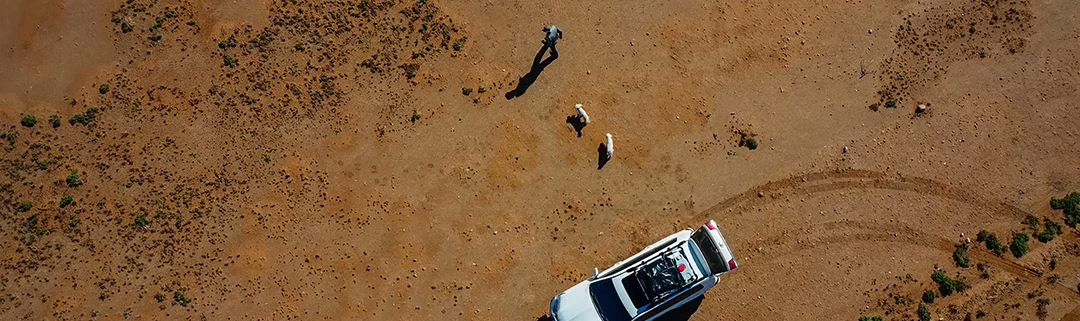
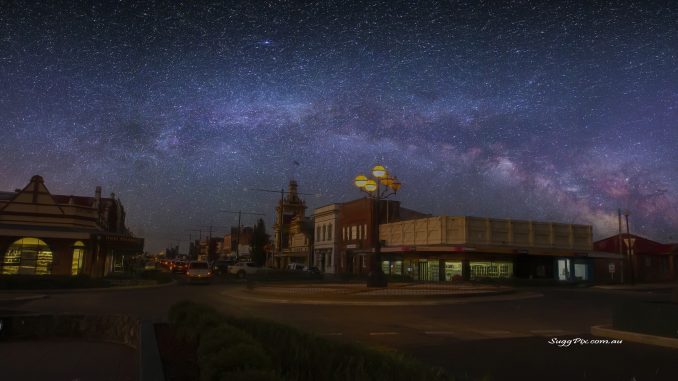
Across Australia’s interior and far‑flung regional towns, photography has long played a quiet but powerful role: bearing witness. From early black‑and‑white images of gold rush settlements and pastoral stations to contemporary documentary projects examining decline, resilience and cultural memory, photographers have returned again and again to the outback and the bush to record lives lived far from the coast.
These images are more than landscapes of red dirt and empty streets. They form a visual archive of how Australia has been built, altered, abandoned and, in many places, re‑imagined.
Early Images: Recording Settlement and Survival
Photography arrived in regional Australia not long after European settlement expanded inland. Early photographers documented frontier towns, telegraph stations, stock routes and mining camps, often under harsh conditions. These images were practical records, of infrastructure, land use and exploration, but they also shaped how the outback was imagined: remote, demanding and vast.
Collections of historical photographs now held by institutions such as national archives and geographic agencies show towns emerging almost overnight and, in some cases, fading just as quickly. Weatherboard hotels, corrugated‑iron shops and dirt main streets recur as visual motifs, reinforcing the idea of the bush town as both temporary and tough.
The Outback Town as a Photographic Subject
As photography evolved, so did the way regional towns were depicted. Rather than focusing solely on expansion and industry, photographers began to linger on daily life: children outside schools, shearers at work, families posed in front of modest homes. These images revealed community and continuity, not just isolation.
Later, as economic shifts, drought and centralisation affected rural Australia, photographers increasingly turned their lenses toward towns in decline. Empty shopfronts, fading signage and abandoned public buildings became visual shorthand for broader social change. Contemporary documentary projects describe these places not simply as “ghost towns,” but as settlements suspended between past and present, still inhabited, yet altered.
Contemporary Documentary Approaches
In recent years, a new generation of photographers has revisited the outback and regional towns with a more critical and reflective eye. Rather than romanticising hardship or leaning on nostalgia, these projects often combine portraiture and landscape to explore identity, labour, environmental pressure and cultural history.
Photographers explore the Australian interior, deliberately avoiding postcard imagery. Their work integrates people, land and weather to show how communities are shaped by forces such as climate, mining and agricultural economies. The work challenges simplified myths of the bush by presenting the outback as complex, inhabited and politically charged.
Other photographers focus on the quiet aesthetics of regional decline: shuttered pubs, derelict halls and empty streets photographed with restraint and respect. These images read less as sensational decay and more as visual archaeology—records of layered histories embedded in built environments… then there is the sheer beauty of the many and varied landscapes.
Why These Photographs Matter
Photographs of old outback and regional towns endure because they operate on multiple levels. They are historical documents, aesthetic objects and social commentary at once. For communities themselves, these images can affirm identity and memory. For urban audiences, they complicate easy narratives about the bush, revealing lives shaped by endurance, adaptation and change.
In an era of rapid digital circulation, such photographs also serve as a form of preservation. Buildings may collapse, populations may shrink, but images remain—quietly insisting that these towns existed, and in many cases, still do.
Looking ahead
Photography in Australia’s regional and outback towns continues to evolve. Drone imagery, large‑format film revival and long‑form documentary projects are expanding how these places are seen and understood. Yet the core impulse remains unchanged: to stand still in a place many pass through quickly, and to look closely.
In doing so, photographers help ensure that the stories of Australia’s old towns… weathered, resilient and unresolved, are not lost to dust and distance.
You will find a small picture gallery of old buildings here
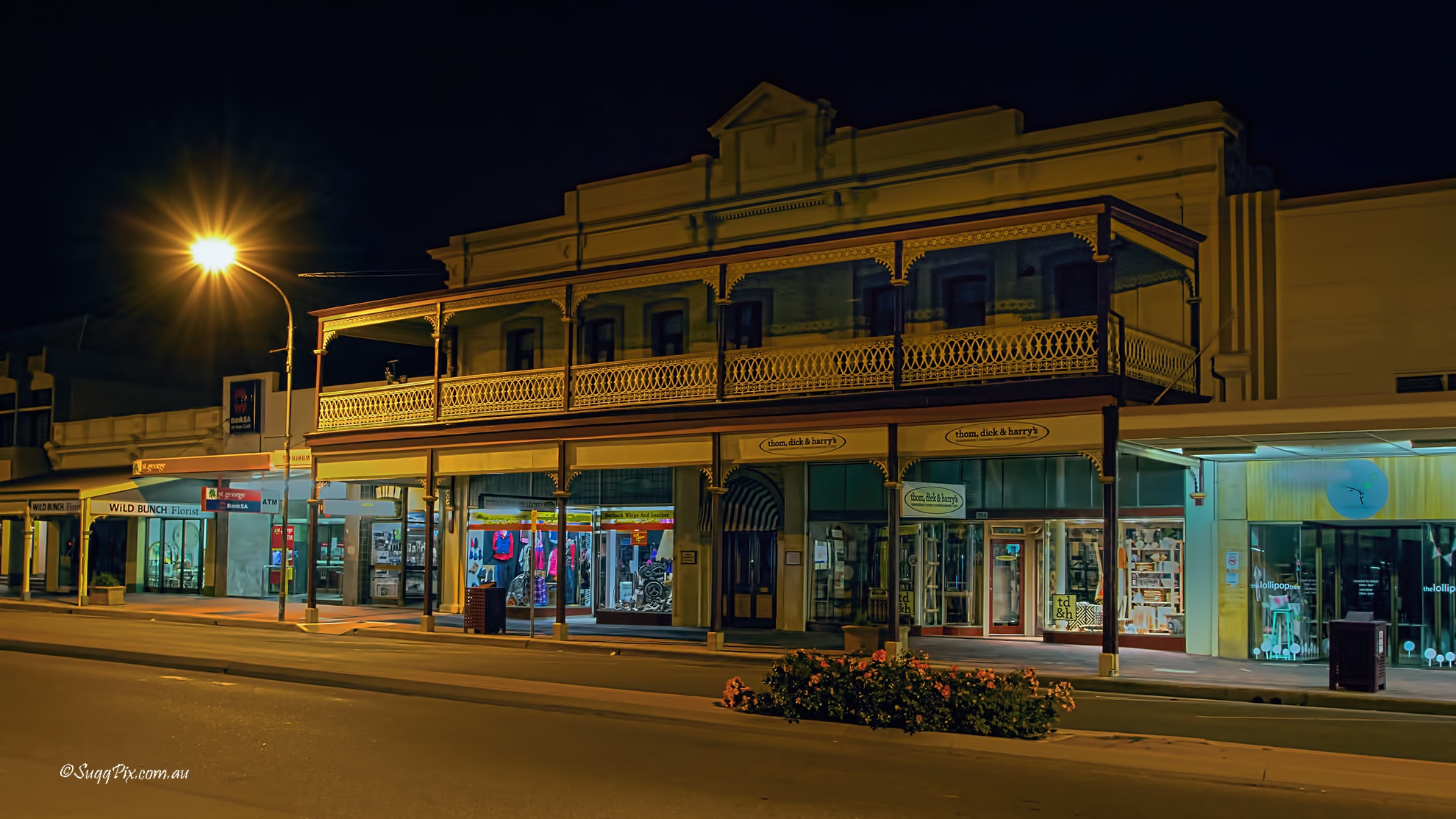
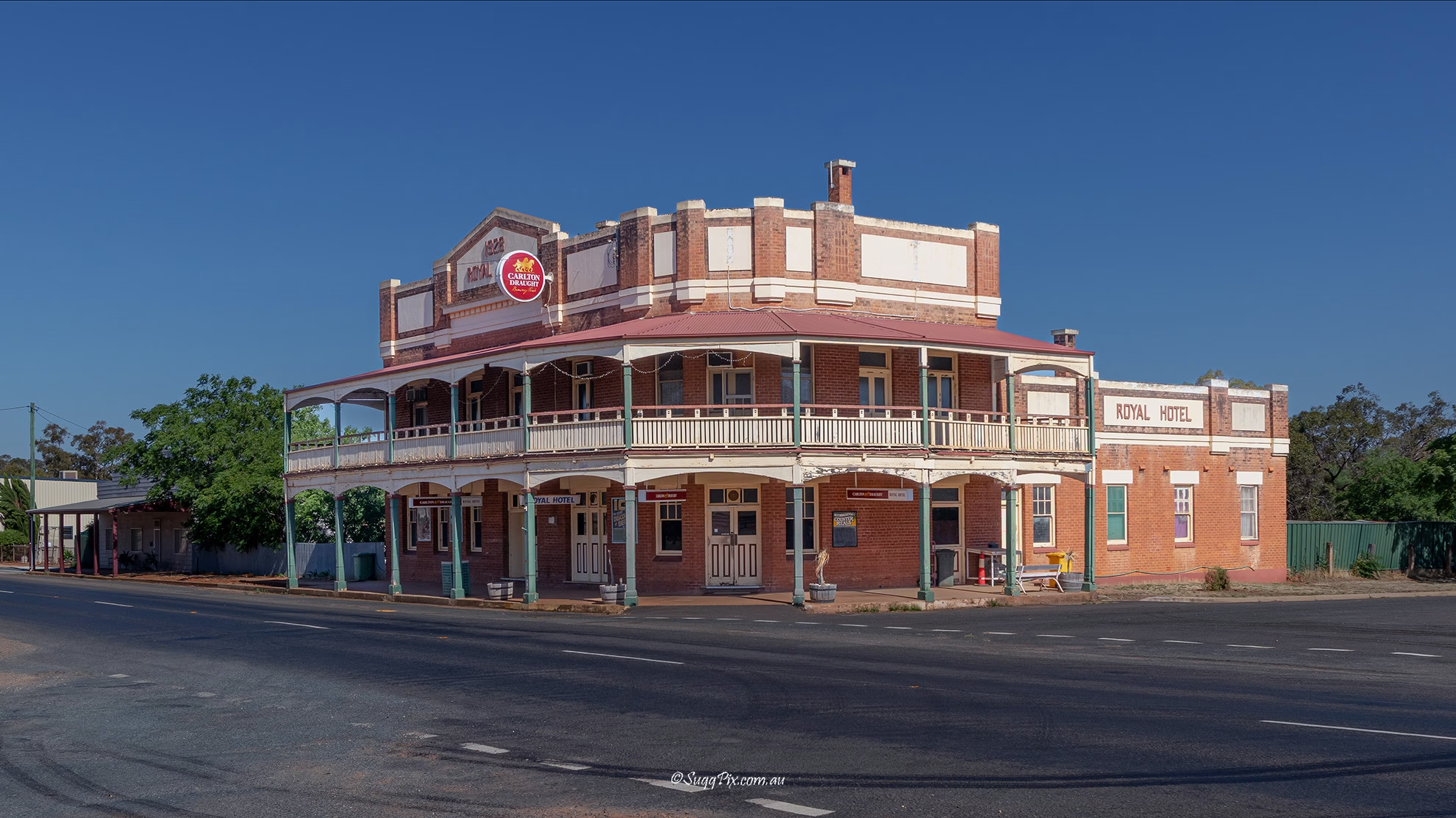
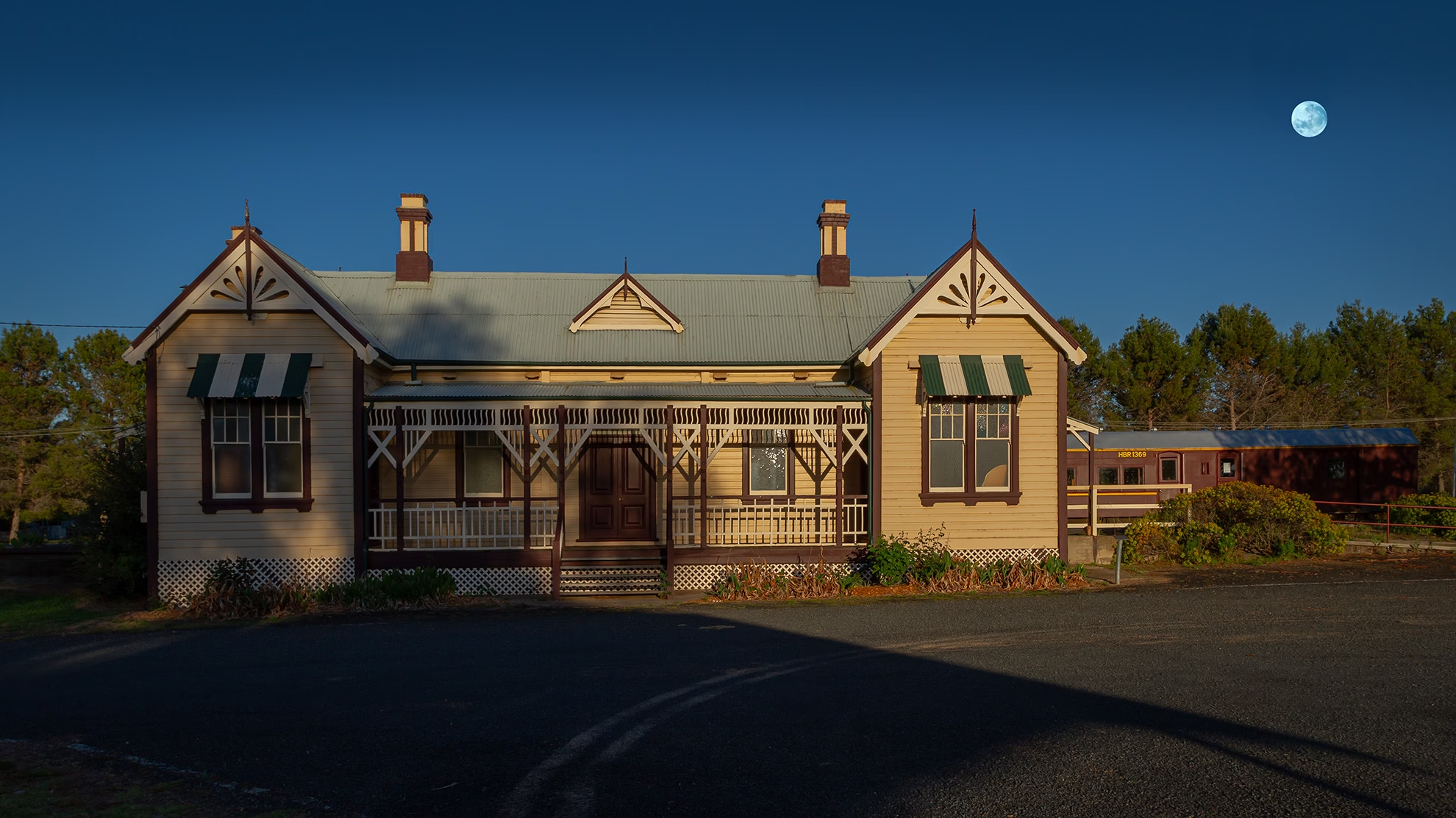

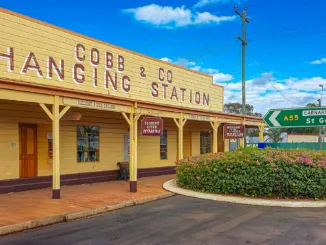
Beautiful photos keeping our memories of these precious antiquities alive. May we continue to stop & appreciate them. Thanks for using your passion & skill to present them so conveniently for our admiration.
Thank you Tony for your kind words… think I owe you a glass of red!