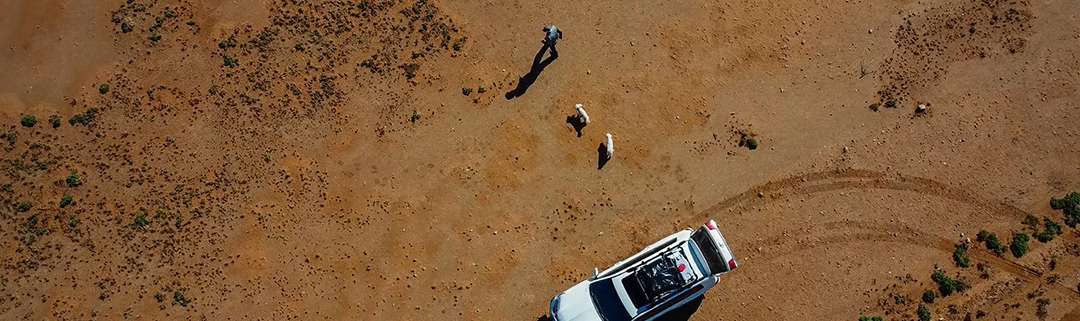
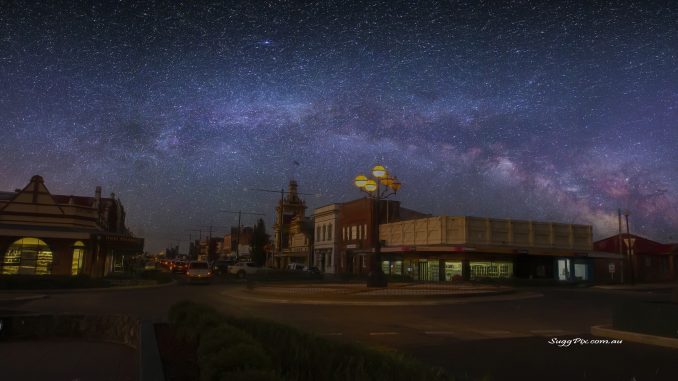
Australian photography has played a central role in documenting the nation’s built environment, particularly in regional and remote areas where colonial history remains visibly embedded in streetscapes and town layouts. From the mid‑19th century onward, photography was used to record new settlements, civic buildings, homesteads, and main streets, helping to shape how Australia was visually understood during and after European colonisation.
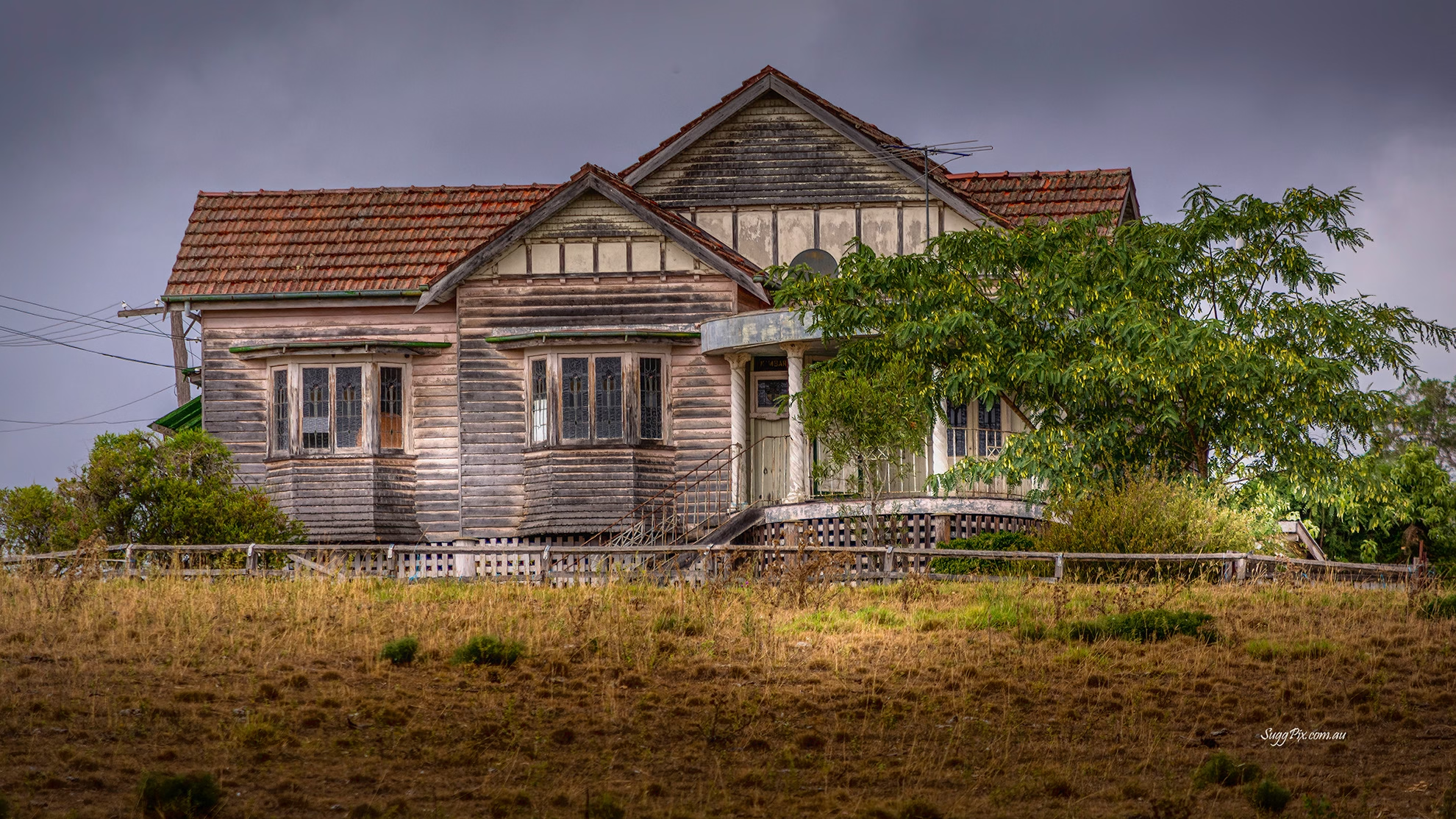
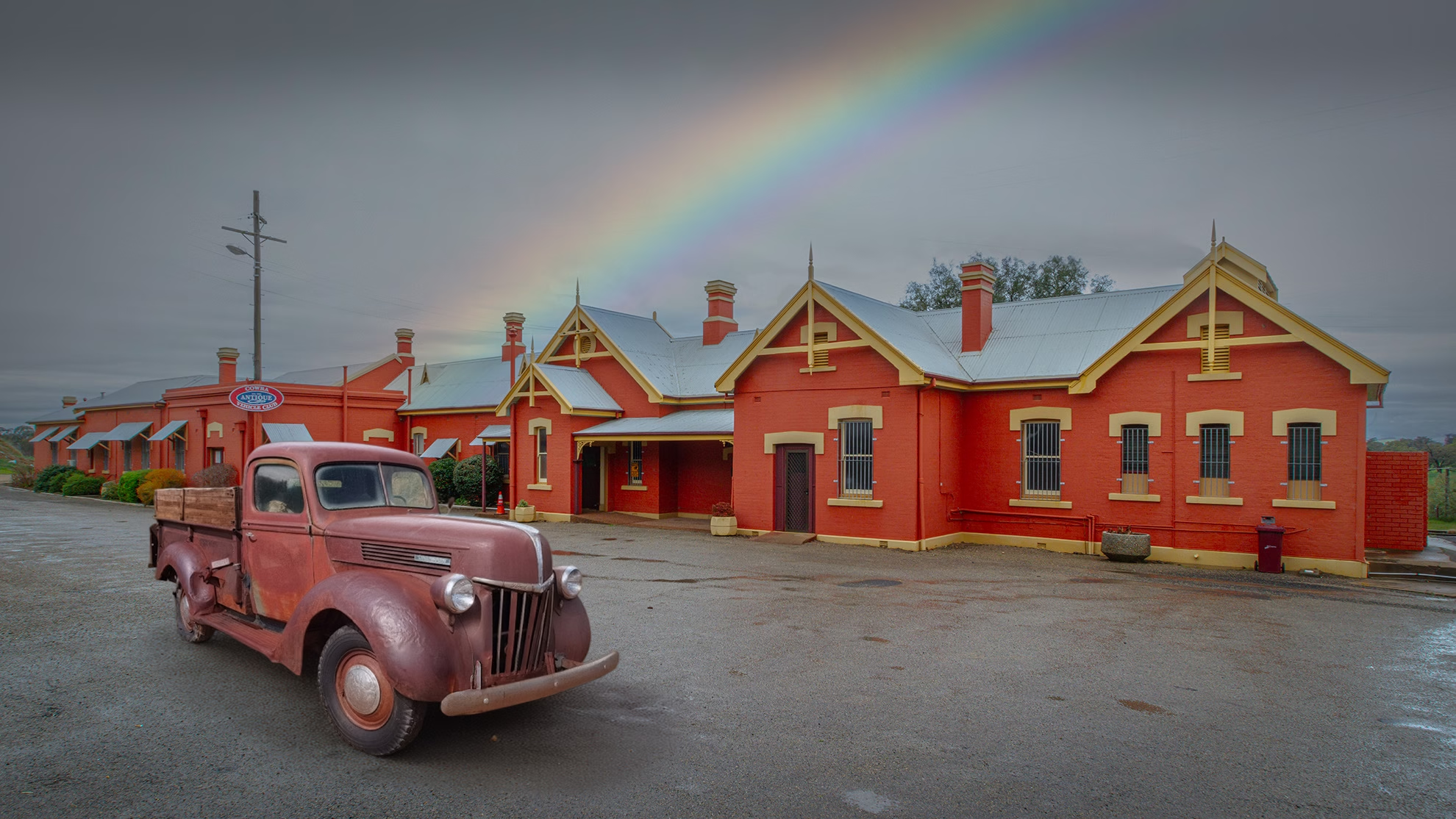
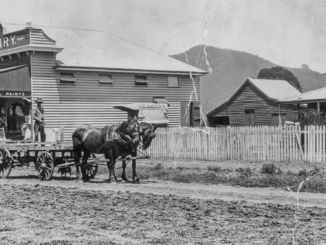
Colonial buildings—such as courthouses, post offices, hotels, railway stations, and modest timber or stone houses—often form the architectural backbone of small towns across regional Australia. Photographs of these structures typically emphasise symmetry, durability, and adaptation to local materials and climates, reflecting British and European design traditions translated into an Australian context.
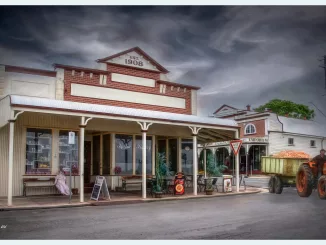
In remote and regional towns, photography also captures a strong sense of place: wide streets, weathered façades, verandahs, and surrounding landscapes that speak to isolation, resilience, and community life. Together, these images create a visual archive that preserves not only architectural heritage, but also the social and historical character of Australia beyond its major cities.
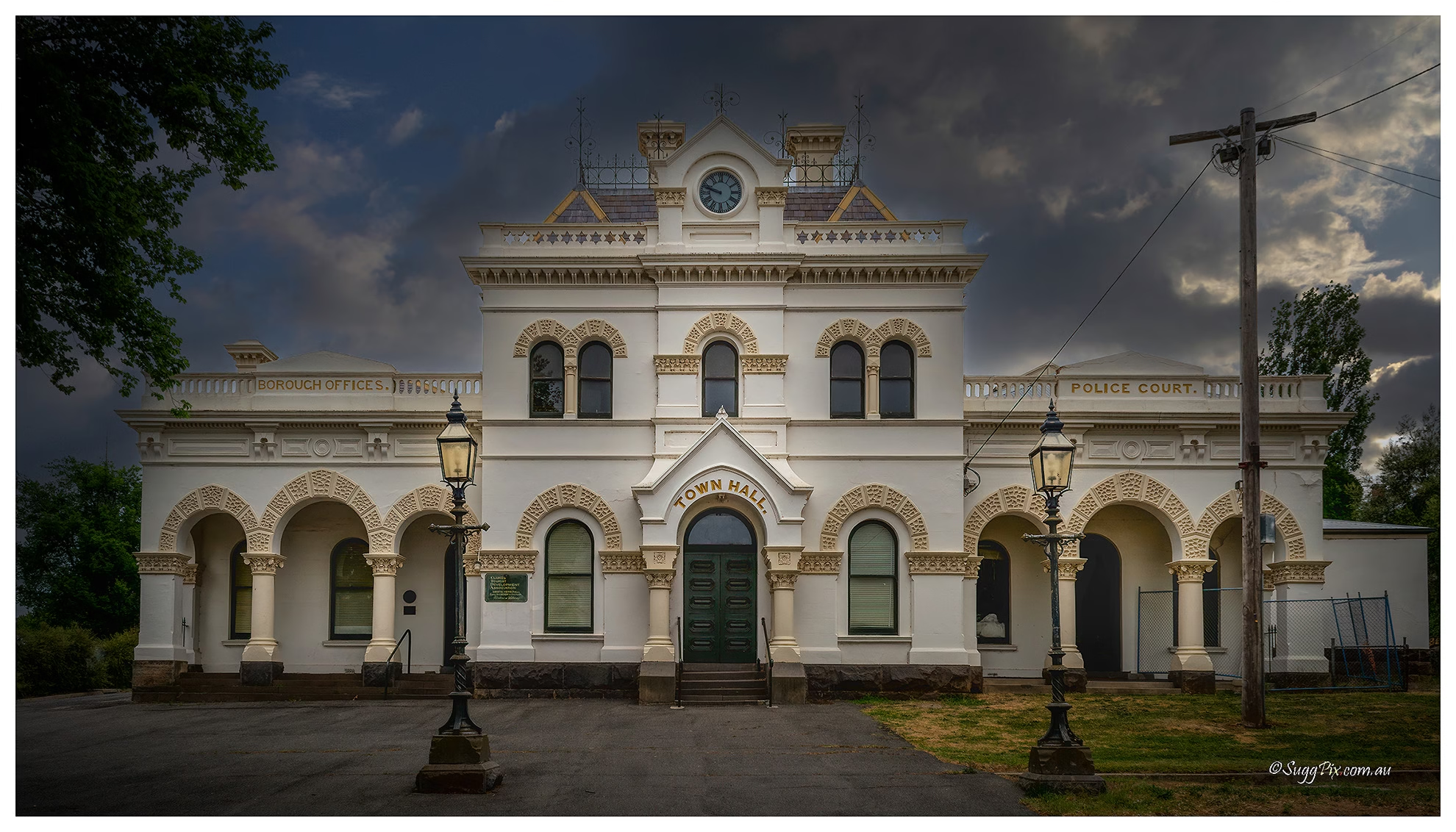

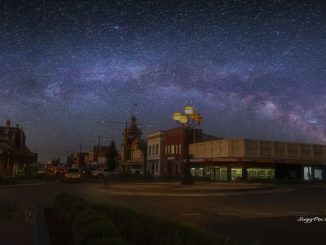
What/where is that last photo taken of? What an interesting sight.
Hi Henry… the railway station at Young, New South Wales, closed to passenger services in 1989. It had originally opened on 26 March 1885 and today the heritage-listed station building is repurposed as the Young Visitor Information Centre rather than an operational railway station.
Been admiring the photos of Birds you have been publishing. Cheers from Downunder.