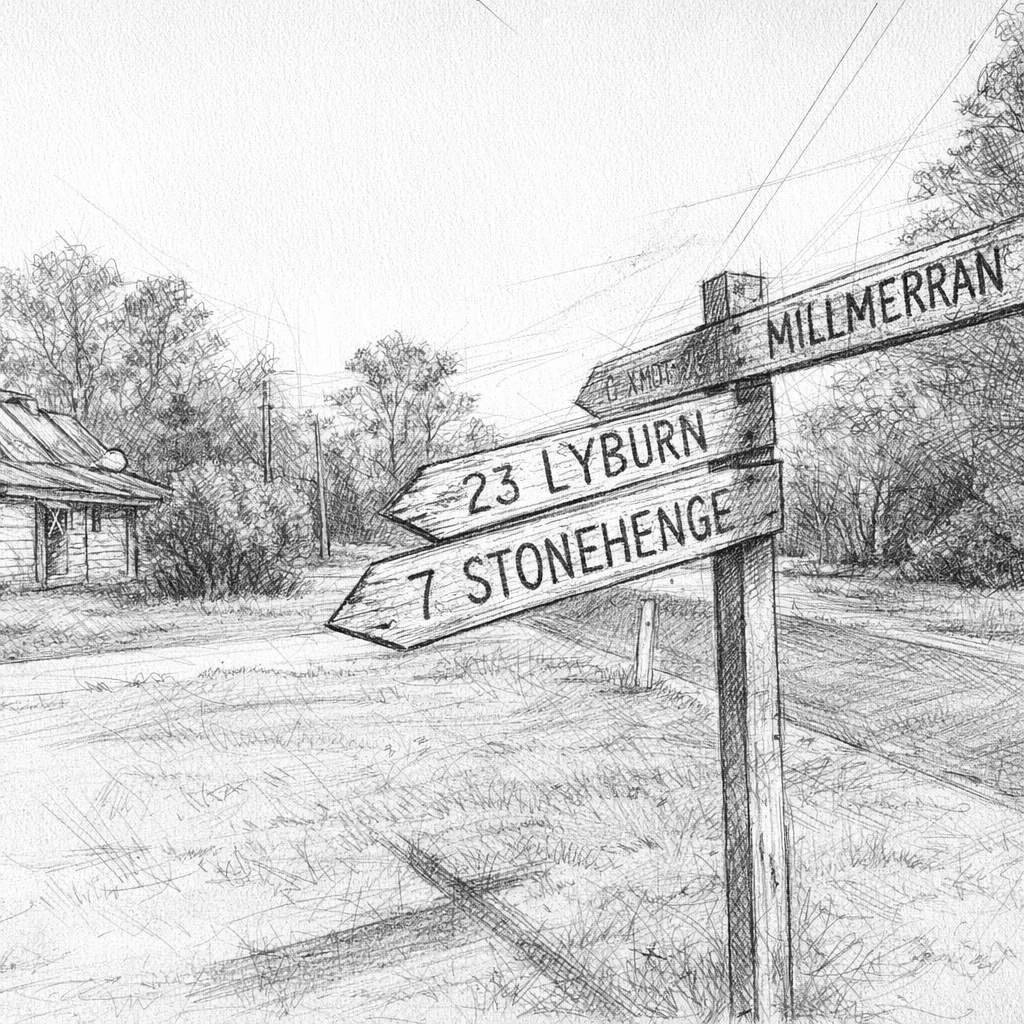
Kooroongarra is a small rural town and locality in the Toowoomba Region, on the western Darling Downs of Queensland, about 27 km south of Millmerran.
Today it has a very small population, but it was once a busy rural service centre supporting farming families in the district.
European settlement and early community (late 1800s)
European pastoral settlement expanded into the area during the late 1800’s as grazing and small‑scale farming developed on the Darling Downs.
Kooroongarra South Provisional School opened on 10 August 1891, serving the children of nearby farming families. In 1909 it became Kooroongarra South State School.
The school operated for decades before closing in 1967, reflecting a declining local population.
A 1954 newspaper article recalls the opening of the school as a “red‑letter day” for local children and describes early life in the district, including slab buildings, pack‑horse mail, and long supply trips by dray to Warwick—offering a vivid picture of pioneering life.
Churches and social life (1890s–1900s)
Religion and community life were central to Kooroongarra’s early identity:
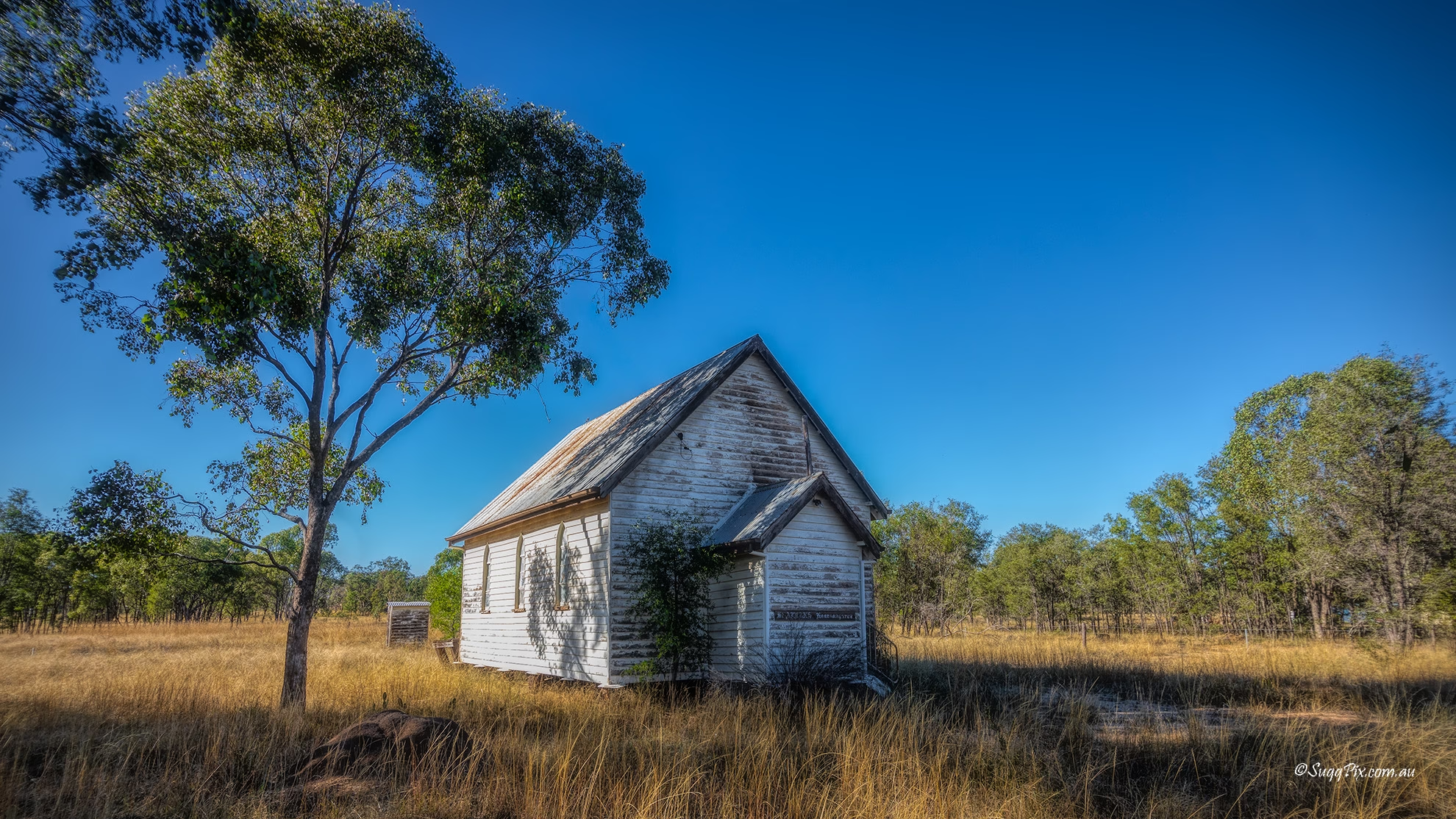
St Mark’s Presbyterian Church opened on 3 September 1897. t later later became part of the Uniting Church. It was deconsecrated in 1999 and eventually relocated to the Millmerran Museum, where it is preserved today.
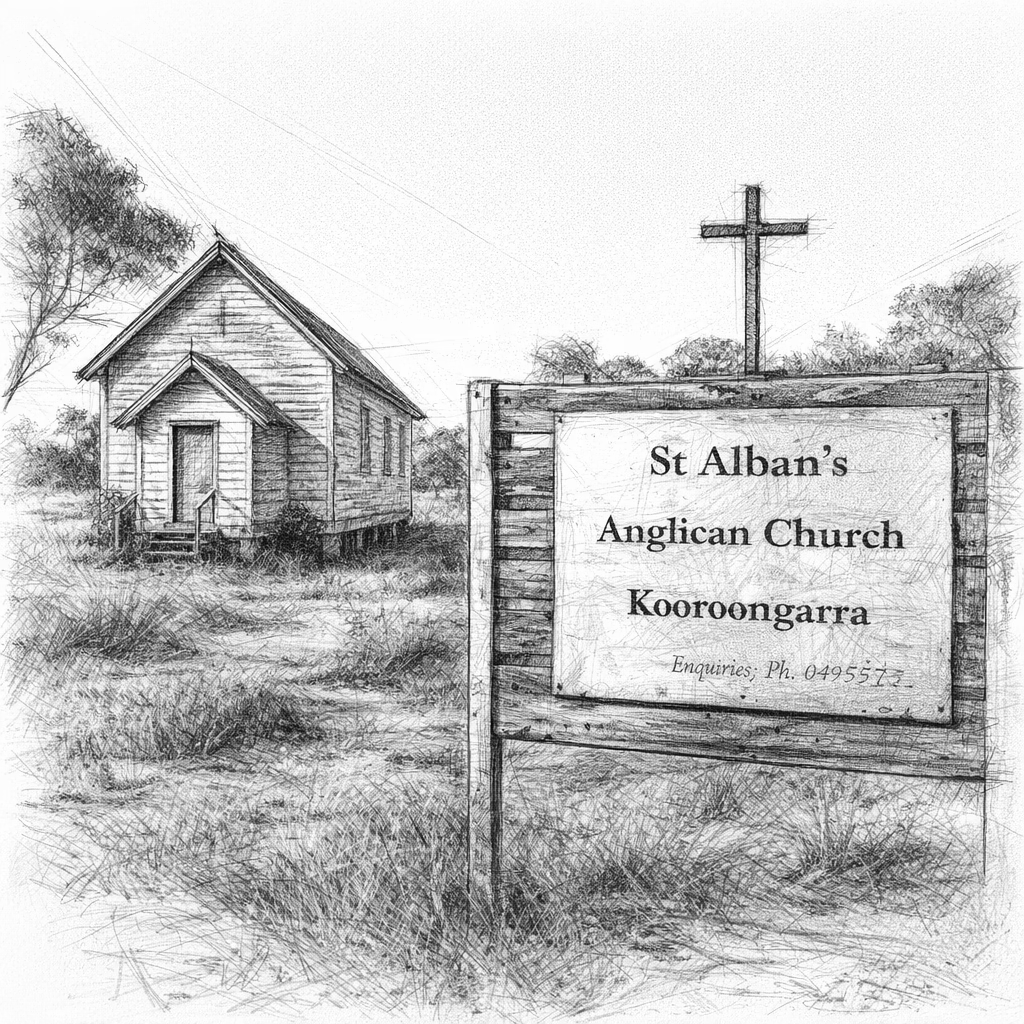
St Alban’s Anglican Church was dedicated in 1907. It was later sold and converted into a private residence.
These buildings served not only religious functions but also acted as social gathering points for the district.
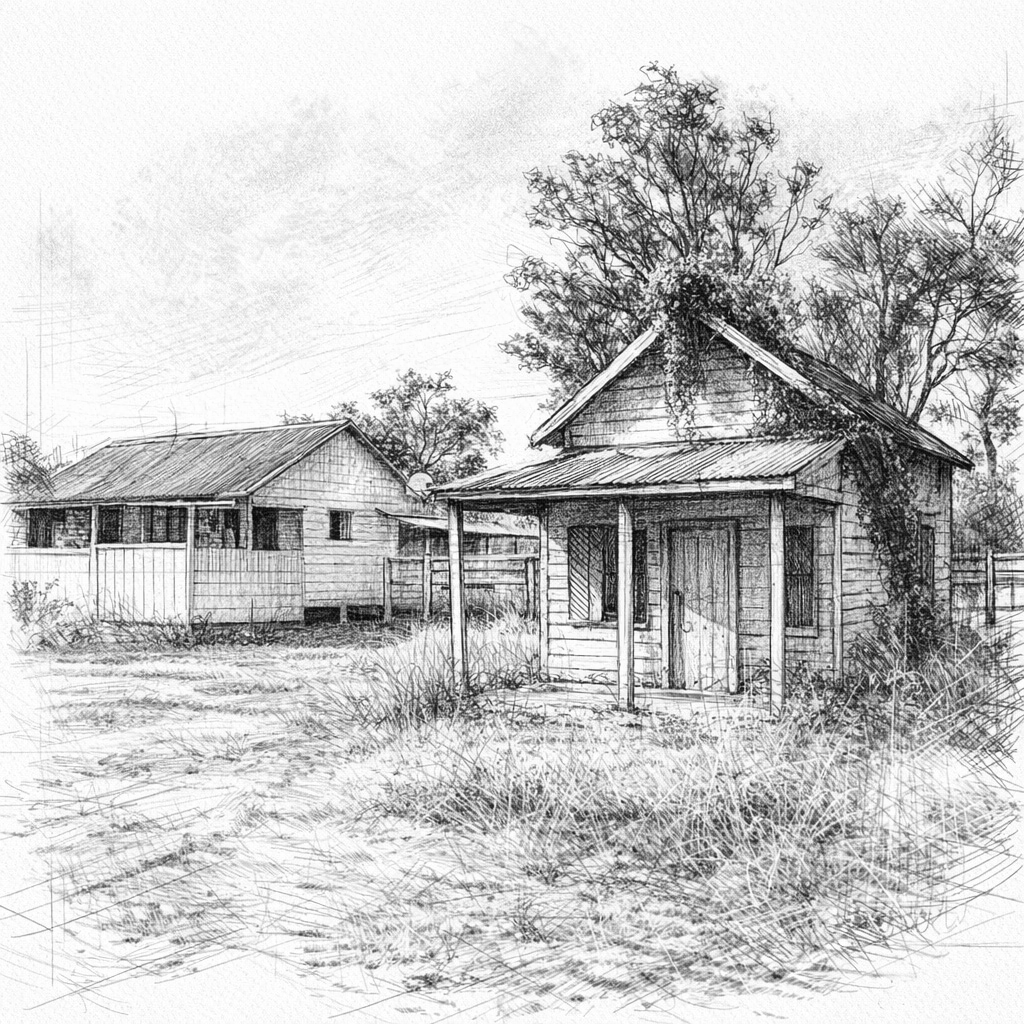
The town centre was established in 1905. During the first half of the 20th century, Kooroongarra was a surprisingly well‑serviced rural town. At its peak, it included:
A post office and telephone exchange
Butcher.
Cheese factory.
Blacksmith and saddler.
General store and boarding house.
Two churches and a school.
This made Kooroongarra an important hub for surrounding farms and properties.
Decline after the mid‑20th century
Like many small Queensland rural towns, Kooroongarra declined as farming consolidated and transport improved:
The cheese factory closed in 1955.
The post office closed in 1970.
Families moved away, and businesses shut down.
School closure followed several decades later.
As services disappeared, the population fell dramatically, leaving only a handful of residents by the late 20th century.
Name changes and modern identity
The town’s official name evolved as follows:
Originally South Koorongara
Changed to Koorongara in 1977
Spelling adjusted to Kooroongarra in 2000.
These changes reflected both administrative updates and a desire to better represent the original Aboriginal‑derived name.
Recent restoration and heritage interest (2020s)
In recent years, Kooroongarra has gained attention for heritage preservation rather than growth.
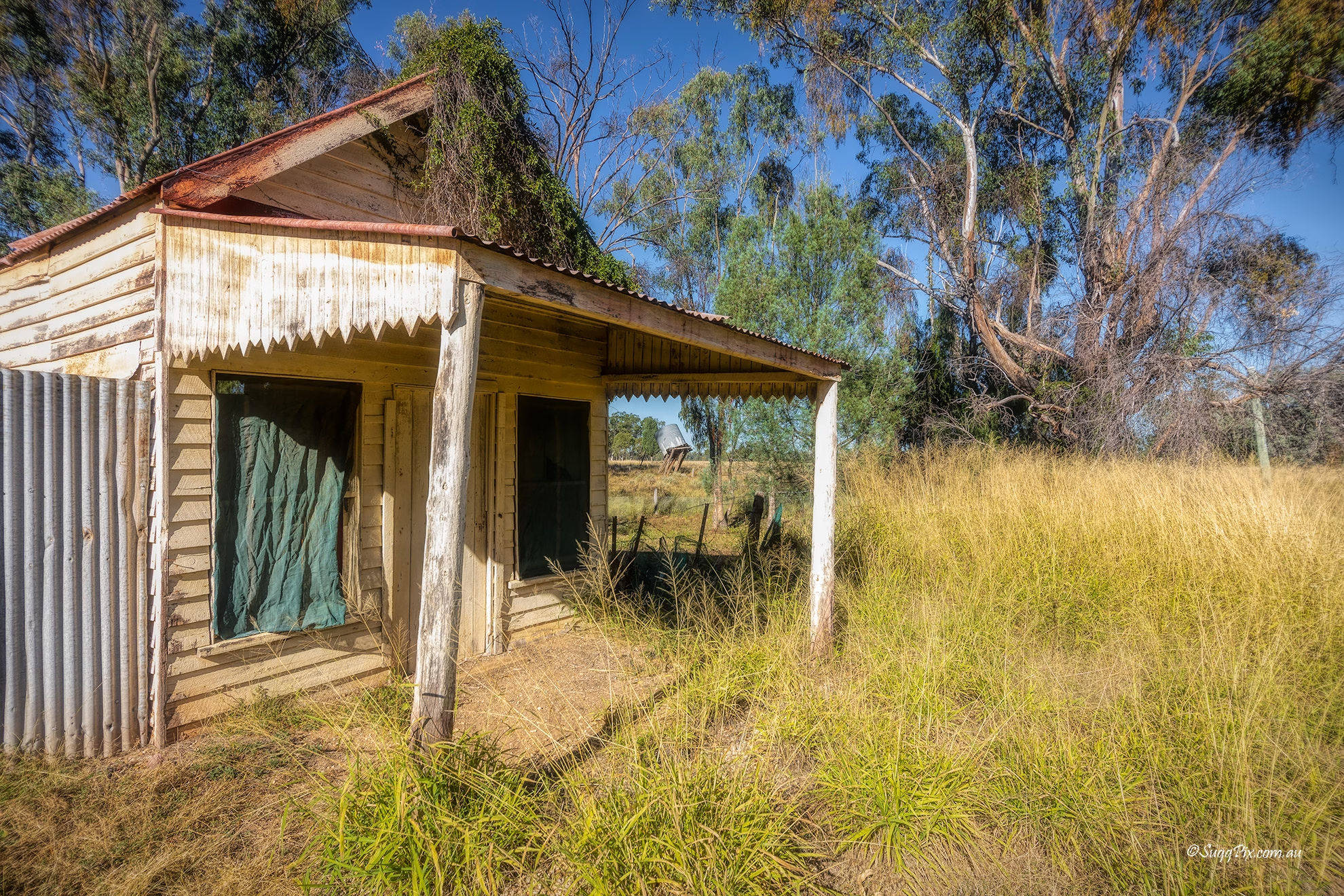
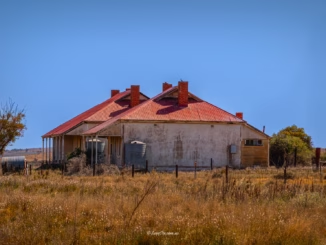
From 2021, private restoration efforts began on the former town centre buildings, including:
The butcher shop.
Post office and telephone exchange.
Cheese factory.
These works aim to conserve what remains of the town’s historic core and keep Kooroongarra’s story alive as an example of a once‑thriving Darling Downs settlement.
Today
According to the 2021 census, Kooroongarra had a population of 45 people, making it one of Queensland’s smallest rural localities. While no longer a service town, it remains an important historical site.
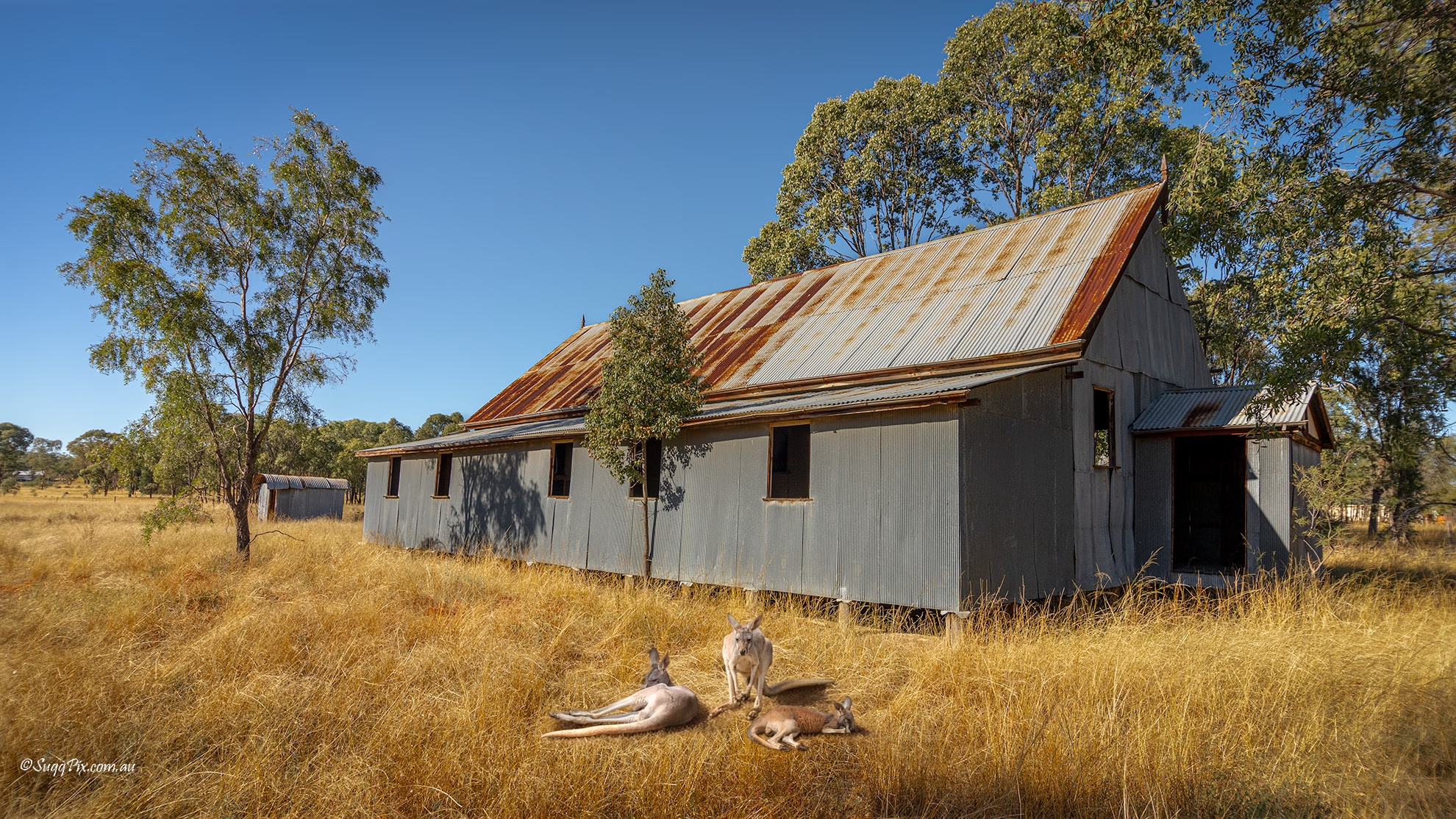
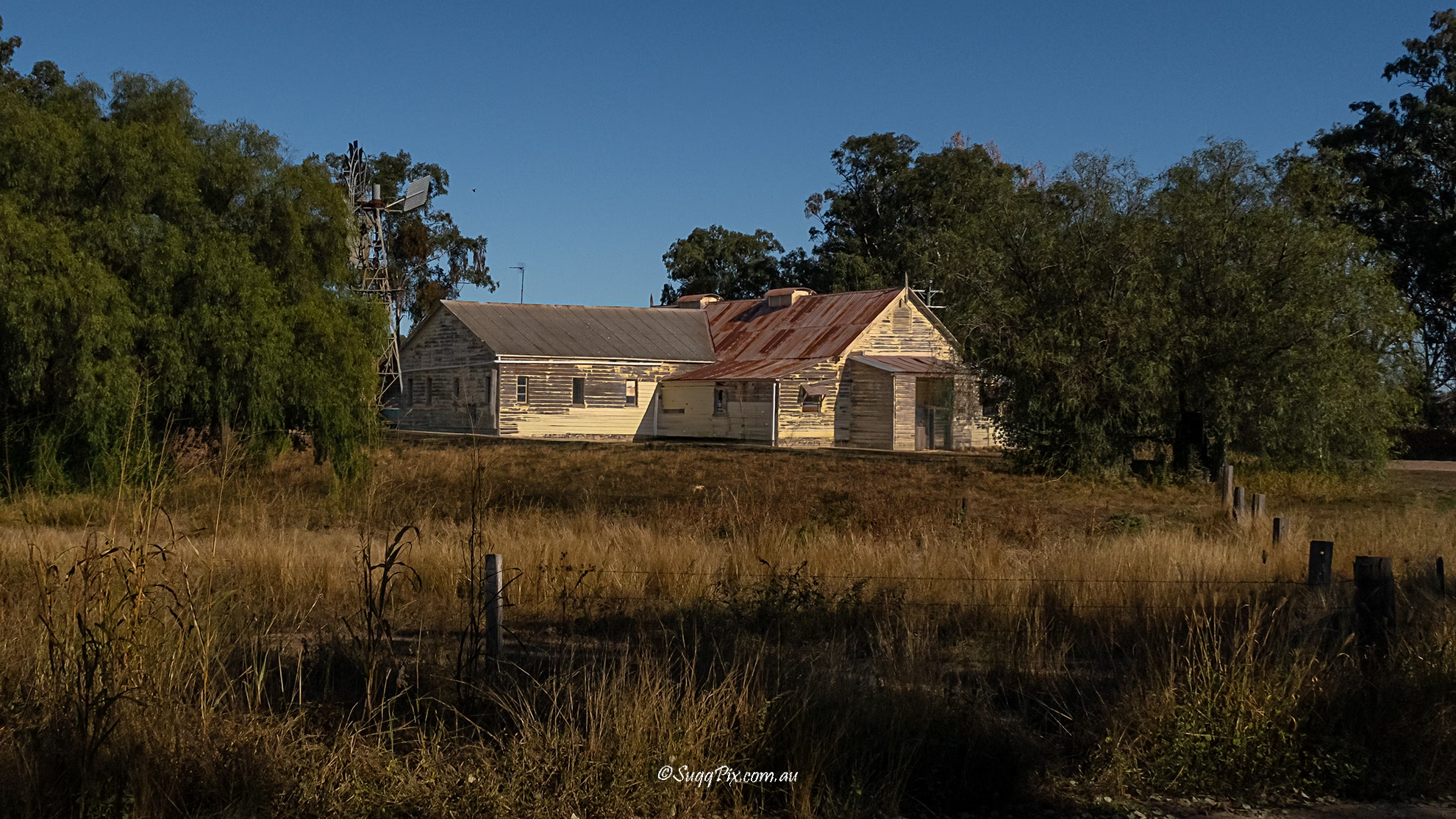


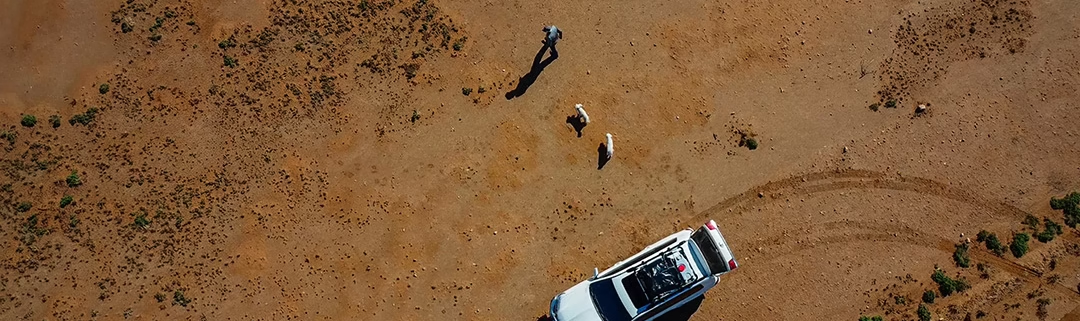
Great composition in the photo with the roos!
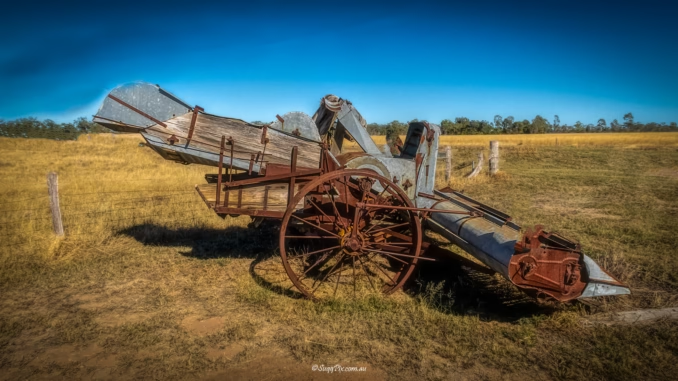
Your historical pieces and photos makes me wish my wife and I could have made one more trip back to her homeland to spend time wandering old towns like this.
Henry… Regional Australia still has the warmth and charm your wife would remember. I keep looking for a barn that resembles any of your fantastic images, however, have not had any luck so far.
Interesting little blog there Pete. I love the old building photos and the kangaroos have just reclaimed the area after the temporary humans have come, conquered, built stuff and vanished again in a tick of the historical clock!
There are many places like this Tony in the Regions. Great reminders of the sacrifice and hardship the original occupants dealt with. They had a strong sense of community.
Keeping up the standard Pete, a great potted history and excellent photos. (I must say I wasn’t aware the Druids had been at work only 7 miles/kms away!).
I was surprised too John! I thought it was worth a look, but it is a farming area rather than a settlement.