Historical context: why records are scarce for Kents Pocket
Kents Pocket has never been a township or parish, but a small rural pocket of land within the larger Fassifern district near Boonah. Because of this, early land use and family settlement were recorded under surrounding stations, parishes, and Boonah-area records, not under “Kents Pocket” as a standalone entity. This explains why surviving documentation consistently references regional families rather than families tied specifically to Kents Pocket by name.
Early pastoral stations and founding families (regional)
The first European agricultural activity in the Fassifern district was dominated by large pastoral stations established in the early‑to‑mid 19th century. These stations controlled vast areas of land that later broke up into smaller farms, including land that would eventually become today’s Kents Pocket.
Documented early station owners and families include:
The Cameron family
John Cameron was the original owner of Fassifern Station, from which the district takes its name (borrowed from the Cameron family’s Scottish home). The Camerons were among the earliest pastoral families in the region and had close kinship ties to other significant landholders.
Macdonald / Livingstone families
Campbell Livingstone and Macquarie Macdonald are named in historical sources as early founders of Dugandan Station, one of the foundational stations in the Boonah–Fassifern area. These runs encompassed land later opened for farming settlement.
Coulson brothers
The Coulsons took up Moogerah Station, another major pastoral holding adjacent to the Boonah–Kents Pocket area, and were part of the earliest network of landholding families in the valley.
Watson family
Watsons were early holders of Tarome Station, contributing to early grazing activity in the broader Fassifern landscape.
These families were pastoralists rather than small farmers, but their land was later subdivided, enabling closer agricultural settlement.
In the late 19th century, Queensland legislation and land releases led to the breakup of large stations into smaller farming selections, especially along creeks and fertile flats. Historical writing notes that the Fassifern became recognised in newspapers as a region where “farms were hewn out of the brigalow scrub”, reflecting the shift from pastoralism to agriculture.
During this phase, settlement expanded around Boonah and into surrounding rural pockets — including the land now known as Kents Pocket, though it continued to support only a small number of holdings.
Early farming families near Boonah (likely Kents Pocket connections)
While Kents Pocket itself is not singled out, early farming families recorded closest to its location include:
The Johnson family
Identified as the earliest farming family near Boonah, with land extending along the Teviot River area. Their farming activity is documented in historical accounts of settlement near the modern Boonah district, adjacent to Kents Pocket land.
No historic document names farmer families living specifically within Kents Pocket… no early land titles or parish maps publicly identify “Kents Pocket” as a farming estate in the 19th century.
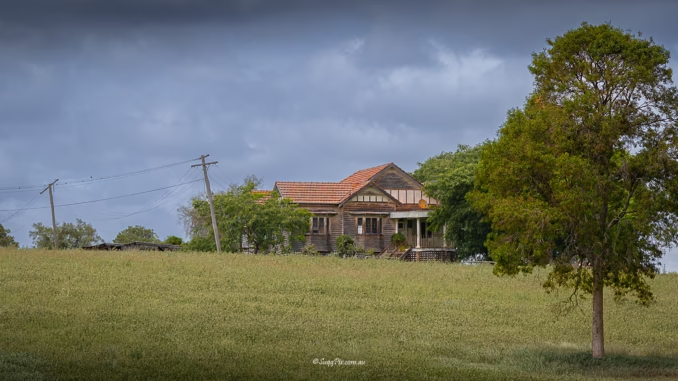
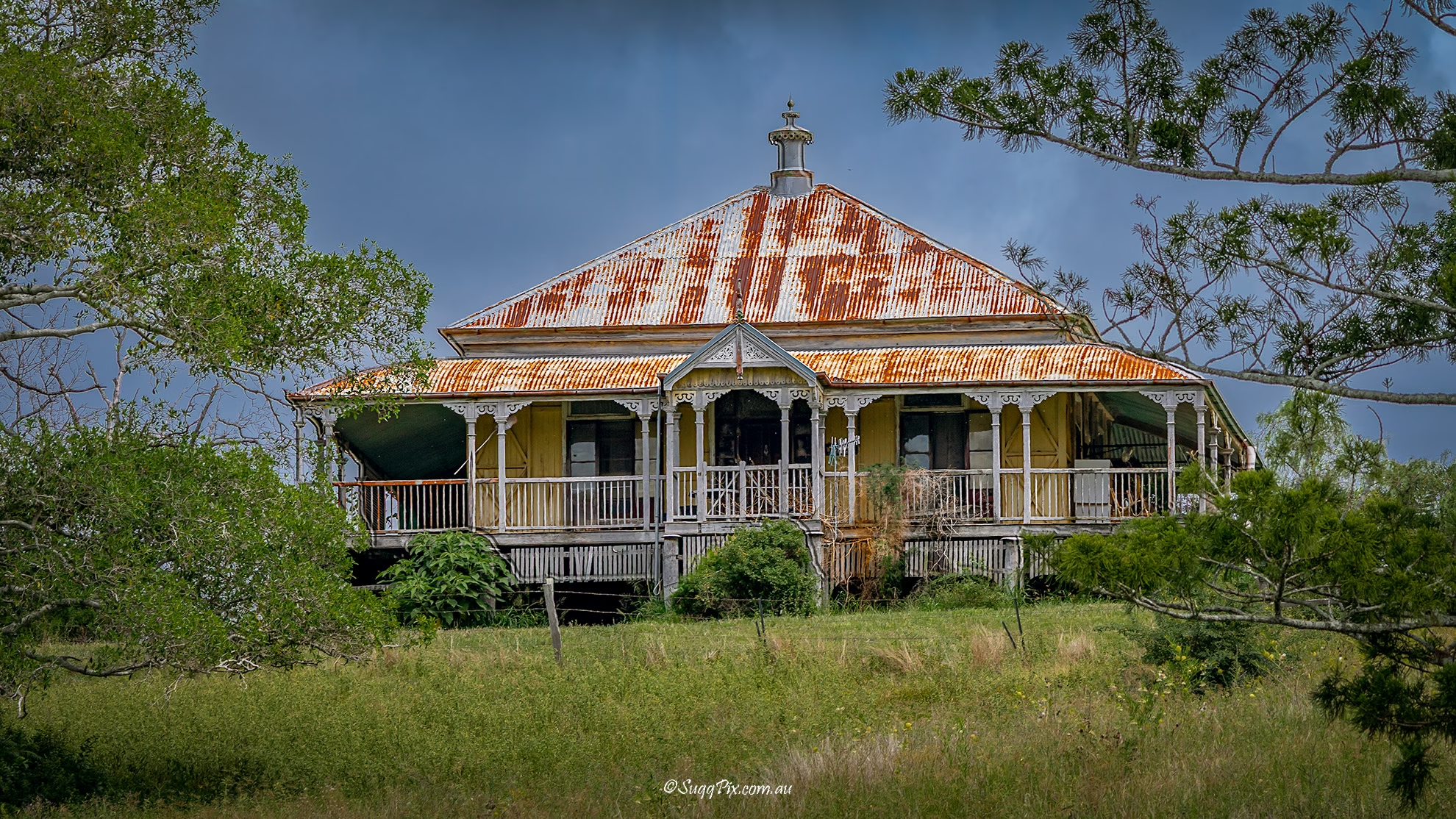
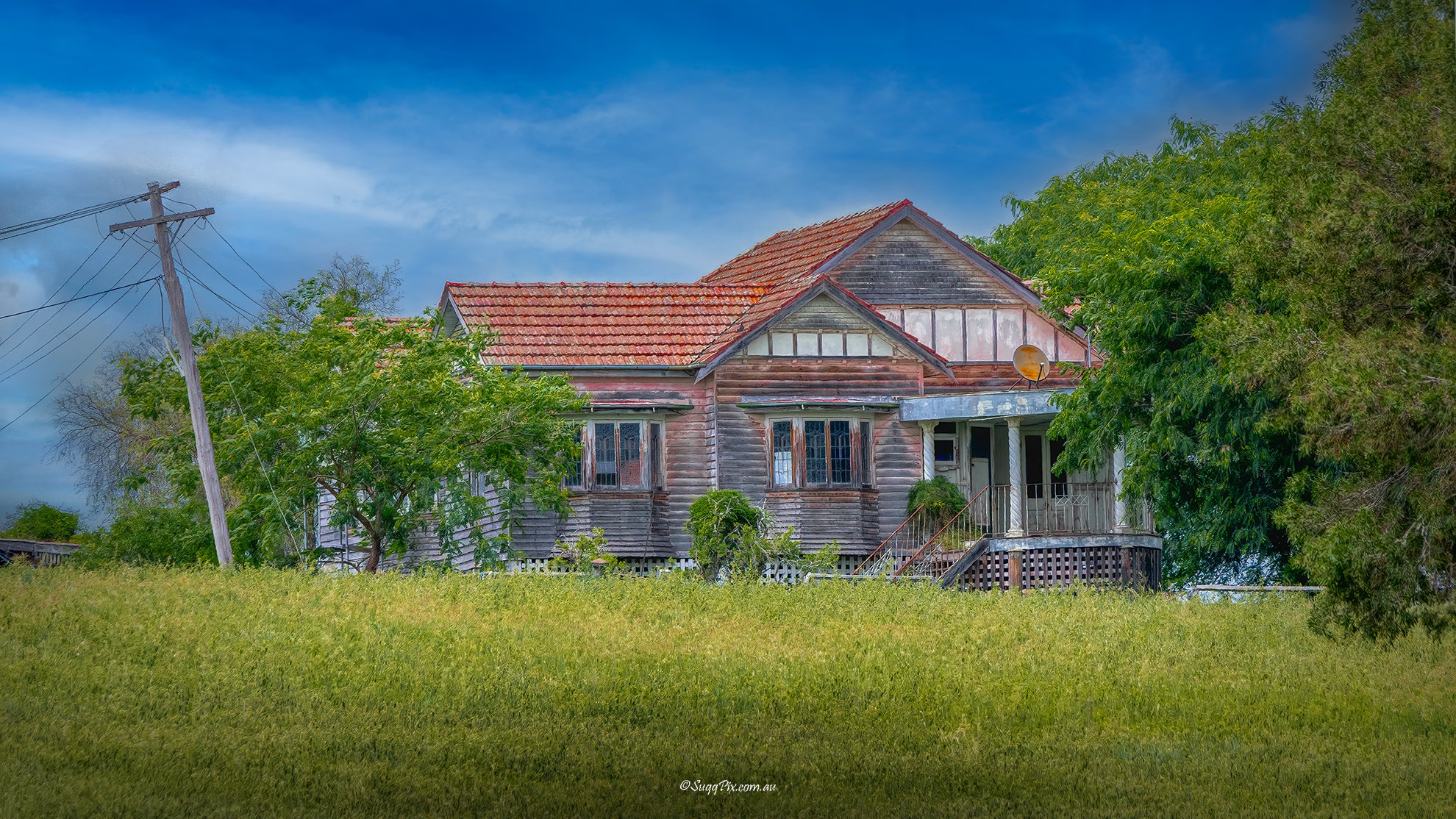
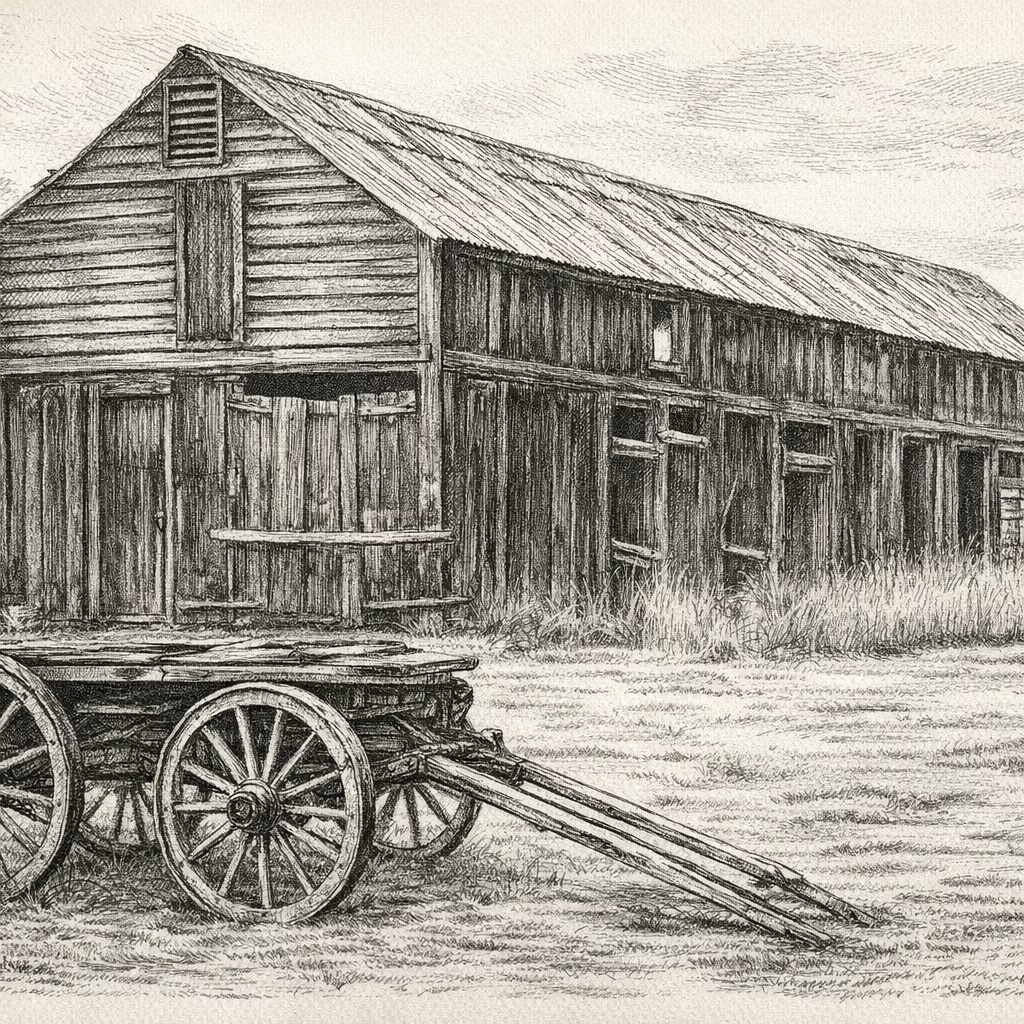
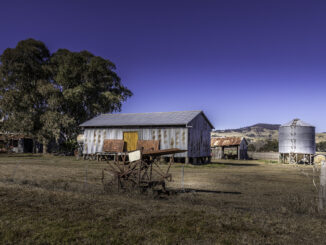
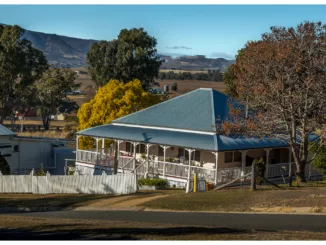
These two old houses are in Kents Pocket and were not occupied when I took the photos. They are reminders of the interesting and hard-working pioneers who made significant contributions to the development of the area.

Brilliant work
re: “In the late 19th century, Queensland legislation and land releases led to the breakup of large stations into smaller farming selections, especially along creeks and fertile flats.” How did this work? Were the original pastoral owners compensated? Were the smaller farming sections sold to new owners, or were they granted by the government?
I find these historical articles and photos really interesting.
Hi Henry… Most cattle “Stations” were not privately owned land. In the 19th century, the vast majority of Queensland cattle stations were held under pastoral leases or licences, not freehold title. These leases were issued over Crown land, and the government always retained the legal right to change conditions or reclaim land for other purposes. A pastoralist did not own the land, only the right to graze stock for a defined term. Governments did not need to “buy back” the land when opening it to selection. Cheers Peter