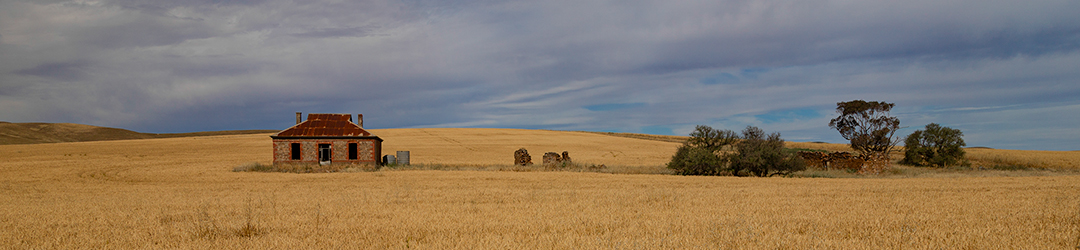


Yanga Station is located on the banks of the Murrumbidgee River in the Western Riverina district of New South Wales, within the Low Bidgee Floodplain.
European settlement began with explorers Charles Sturt (1829) and Thomas Mitchell (1835). By the late 1830s and early 1840s, squatters moved cattle and sheep into the area.
Yanga Station became one of the largest freehold pastoral properties in the southern hemisphere, covering 210,000 acres (85,000 ha). It was a cornerstone of Australia’s pastoral economy during the colonial era.
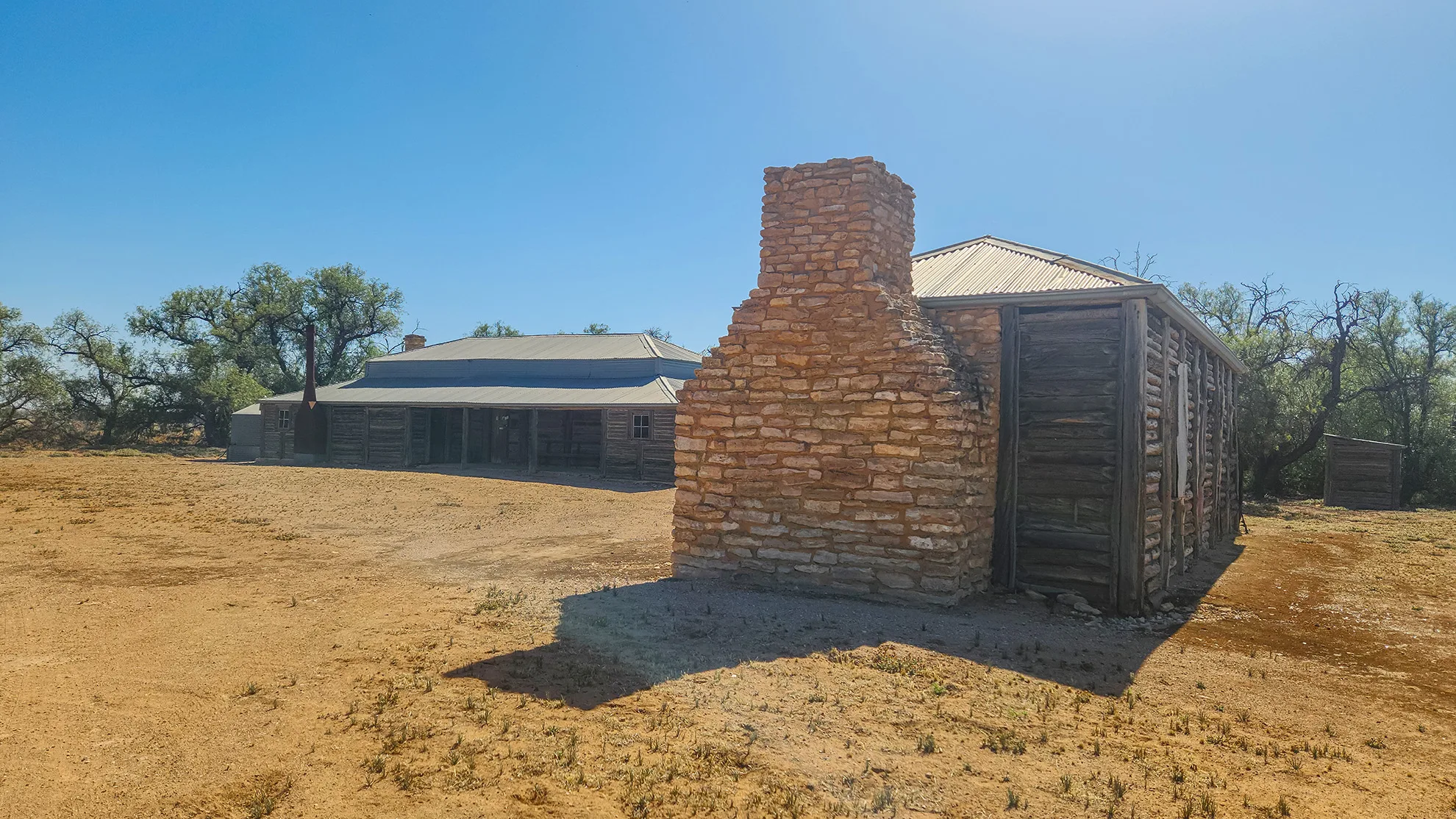
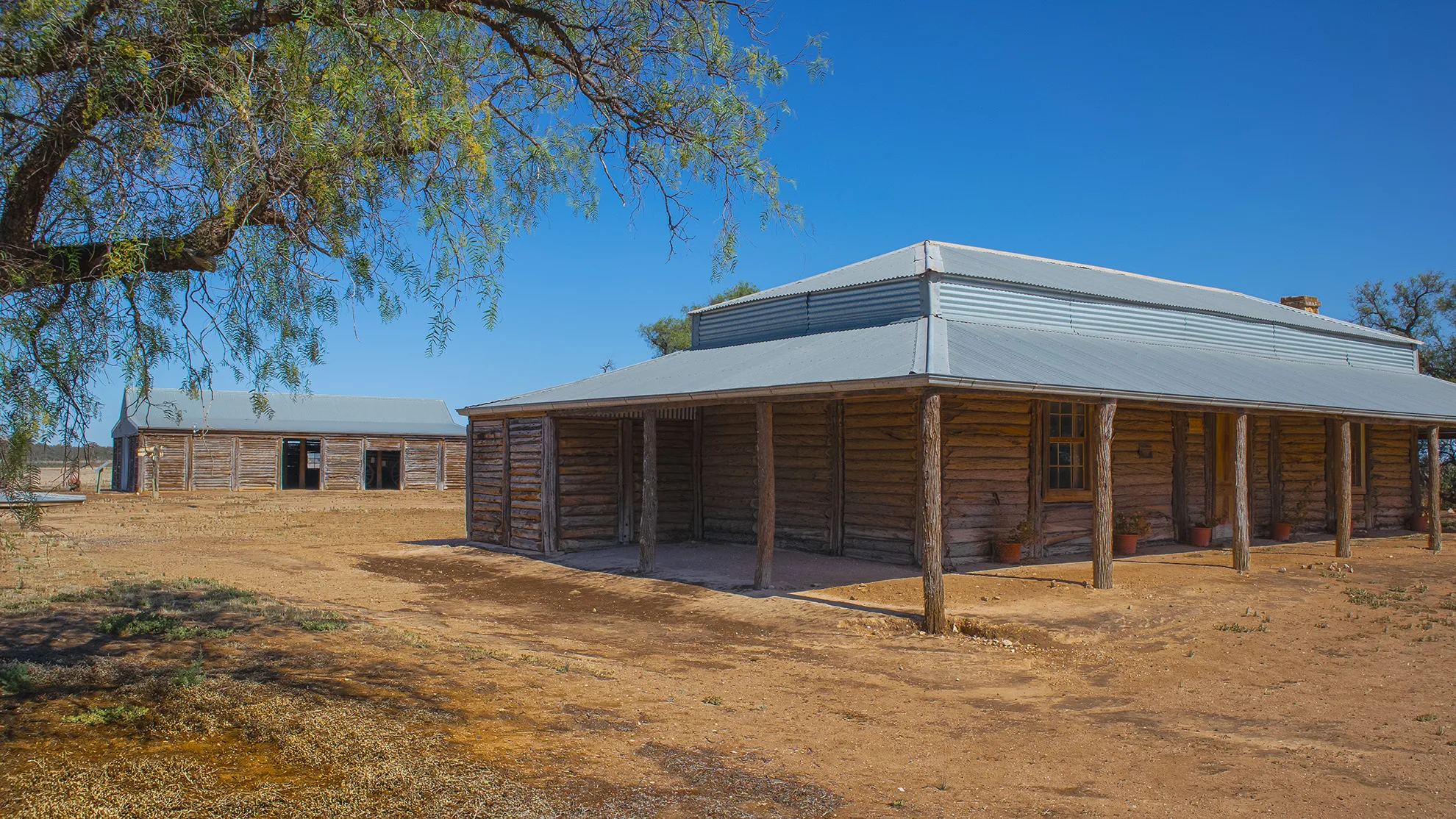
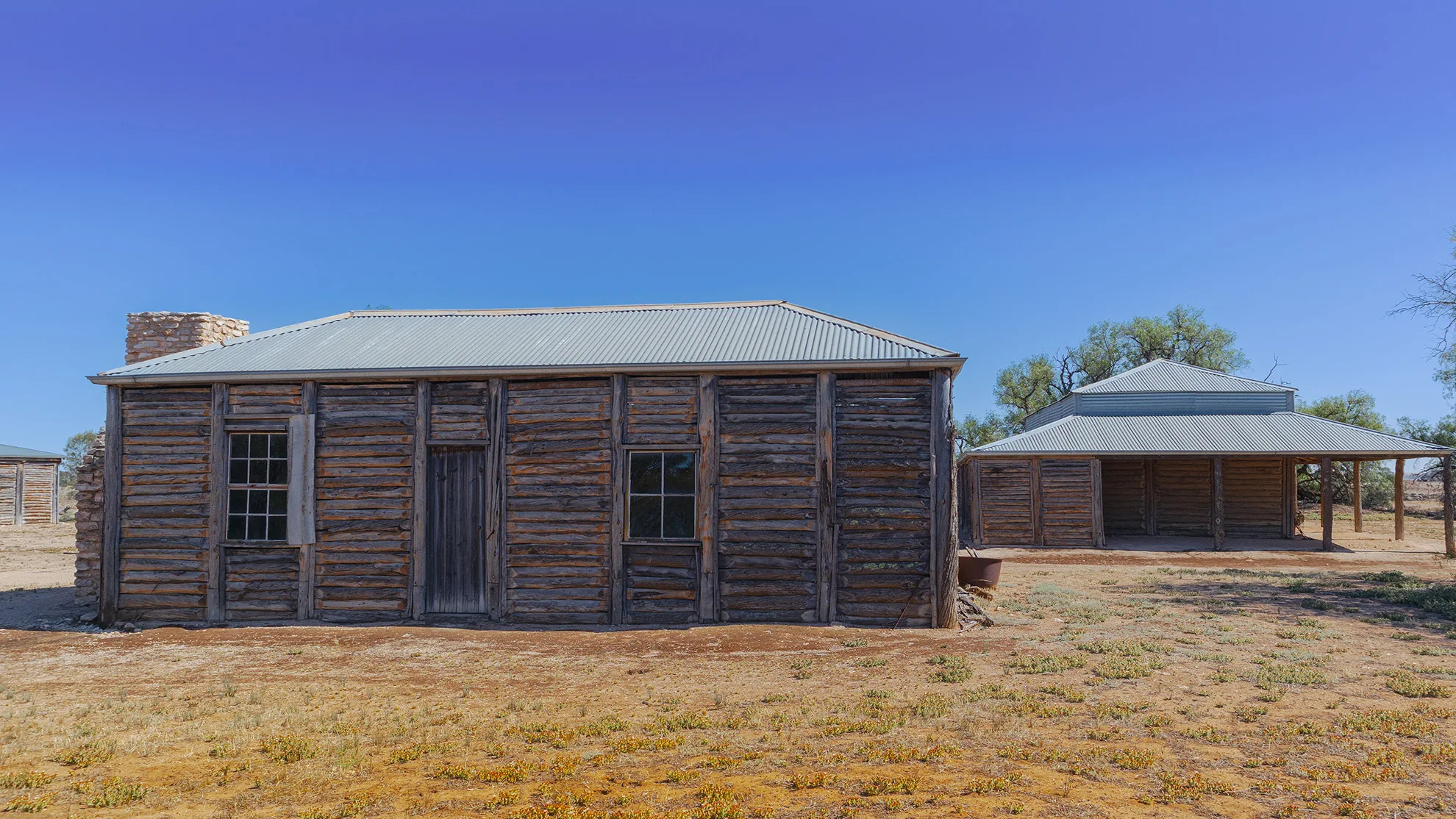
The Yanga Homestead, built around 1870, served as the station’s headquarters. Its unique Murray pine “drop log” design and surrounding gardens reflected the prosperity of the time.
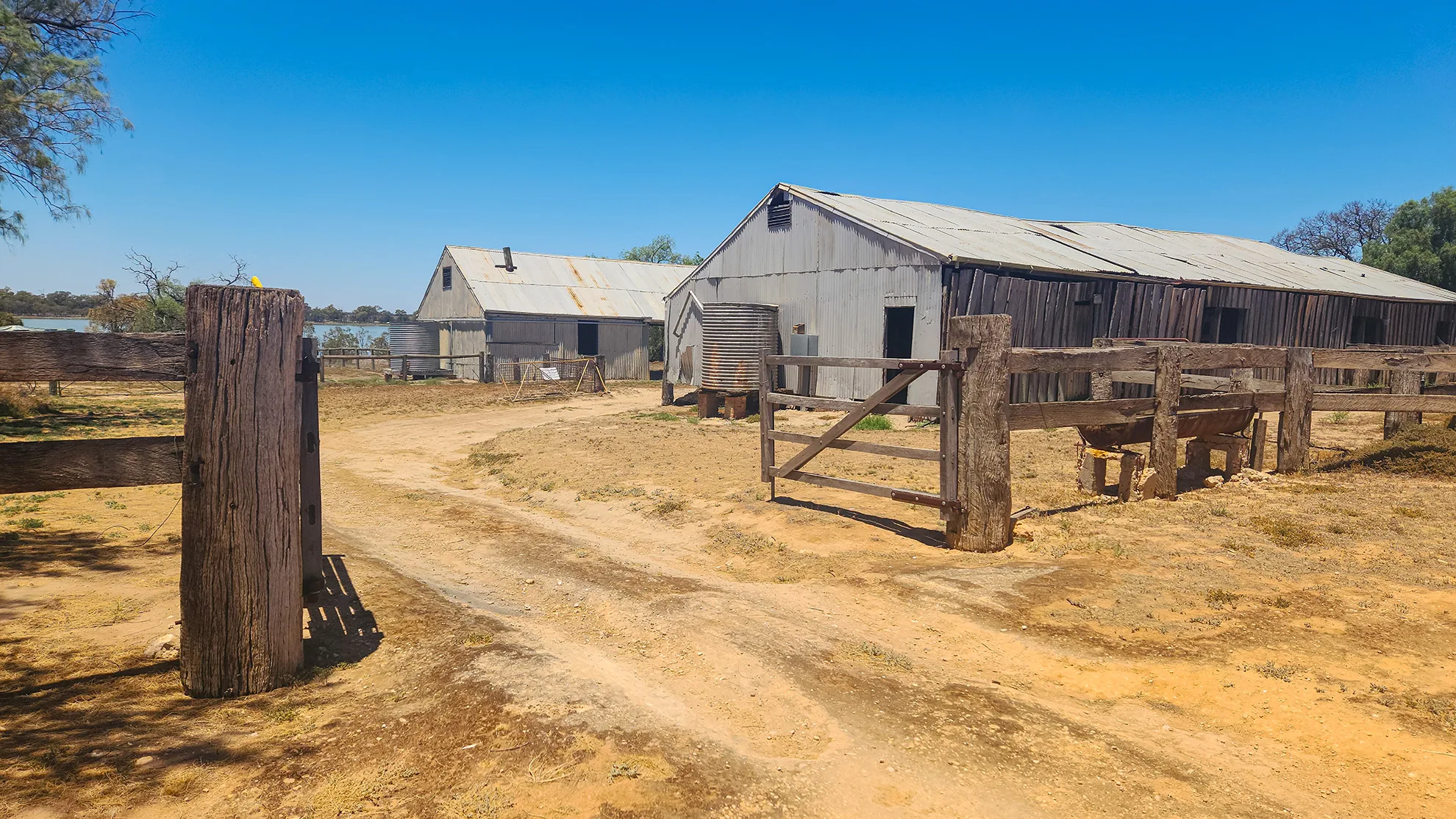
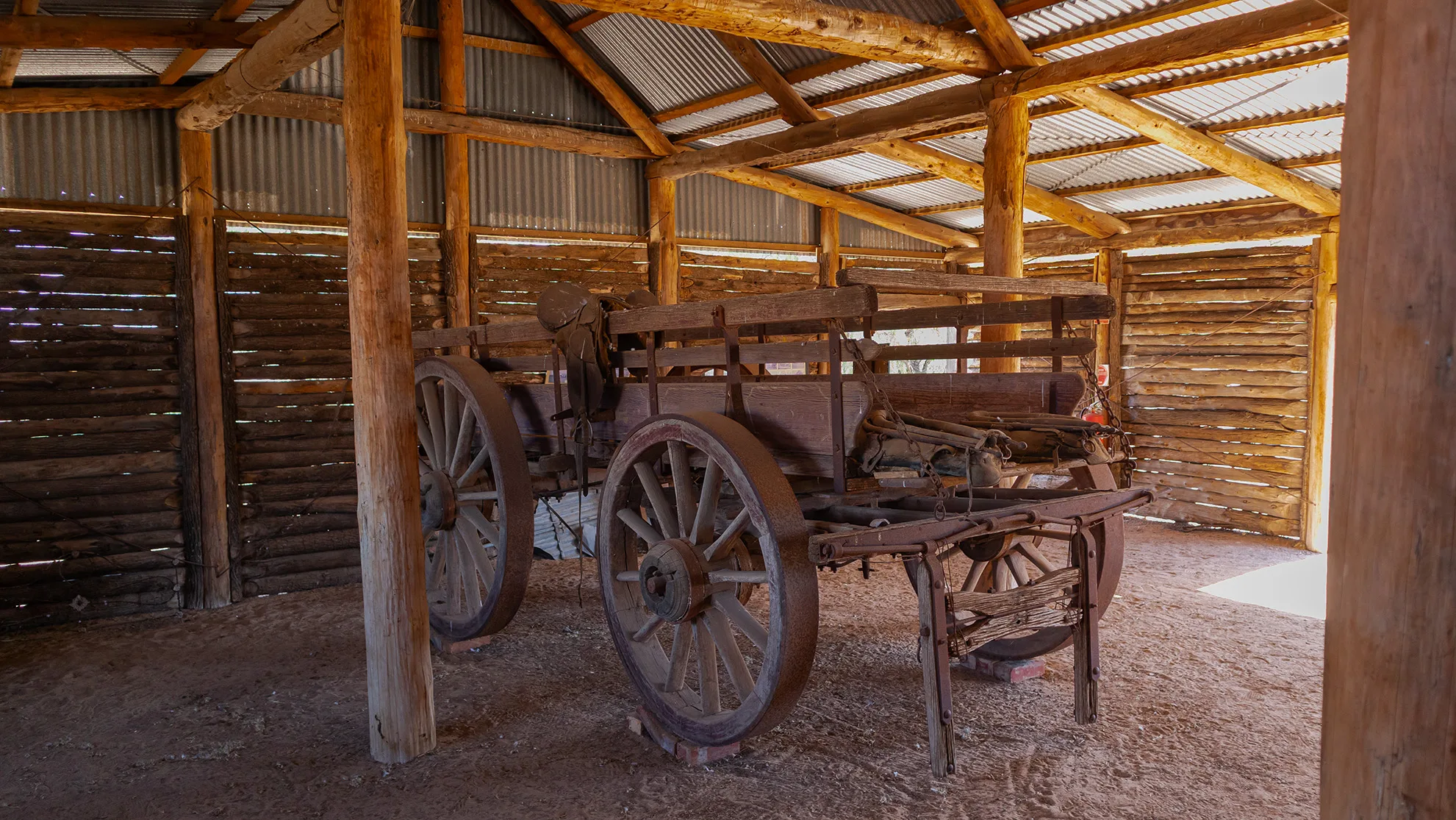
The Yanga Woolshed, constructed in the late 1800s on the Murrumbidgee River bank, allowed wool bales to be loaded directly onto paddle steamers for transport to Echuca. This strategic location supported large-scale wool production. The final shearing occurred in 2005, marking the end of its pastoral era.
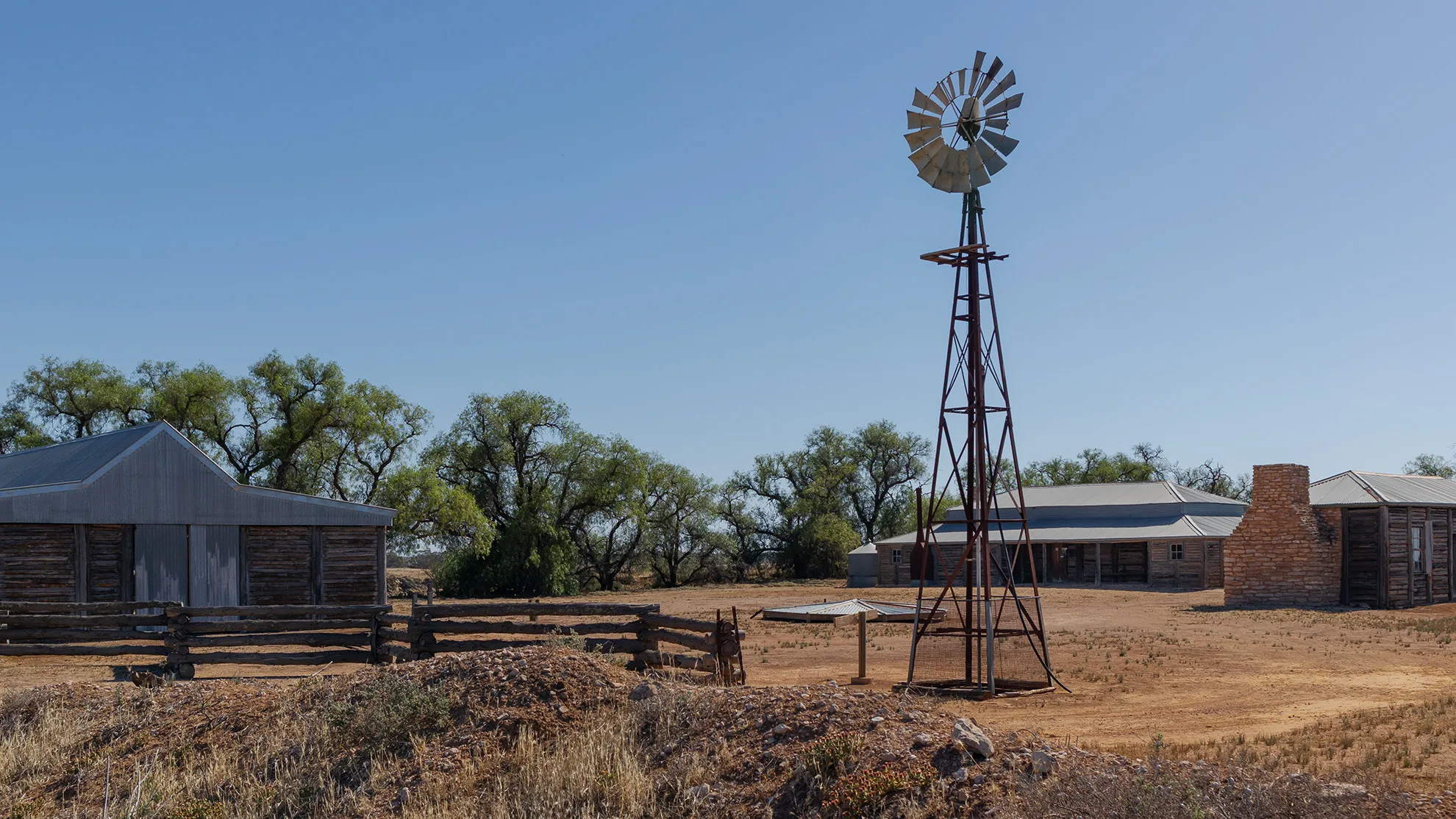
In July 2005, the NSW Government purchased Yanga Station to create Yanga National Park, officially gazetted in February 2007. The park now spans 66,734 hectares and protects wetlands, river and red gum forests. Today Yanga National Park preserves both natural ecosystems and historic relics of the station’s past, including the homestead, woolshed, and outbuildings.



Be the first to comment