
A brief history of European Settlement in Robertstown, South Australia.
In 1868, the government surveyed the land into town blocks. English and German settlers began arriving soon after.
John Roberts, a storekeeper from Koonunga, played a pivotal role. In 1871, he opened a general store and applied for a post office using the stamp “ROBERTS-TOWN,” which gave the town its name.
Development and Growth
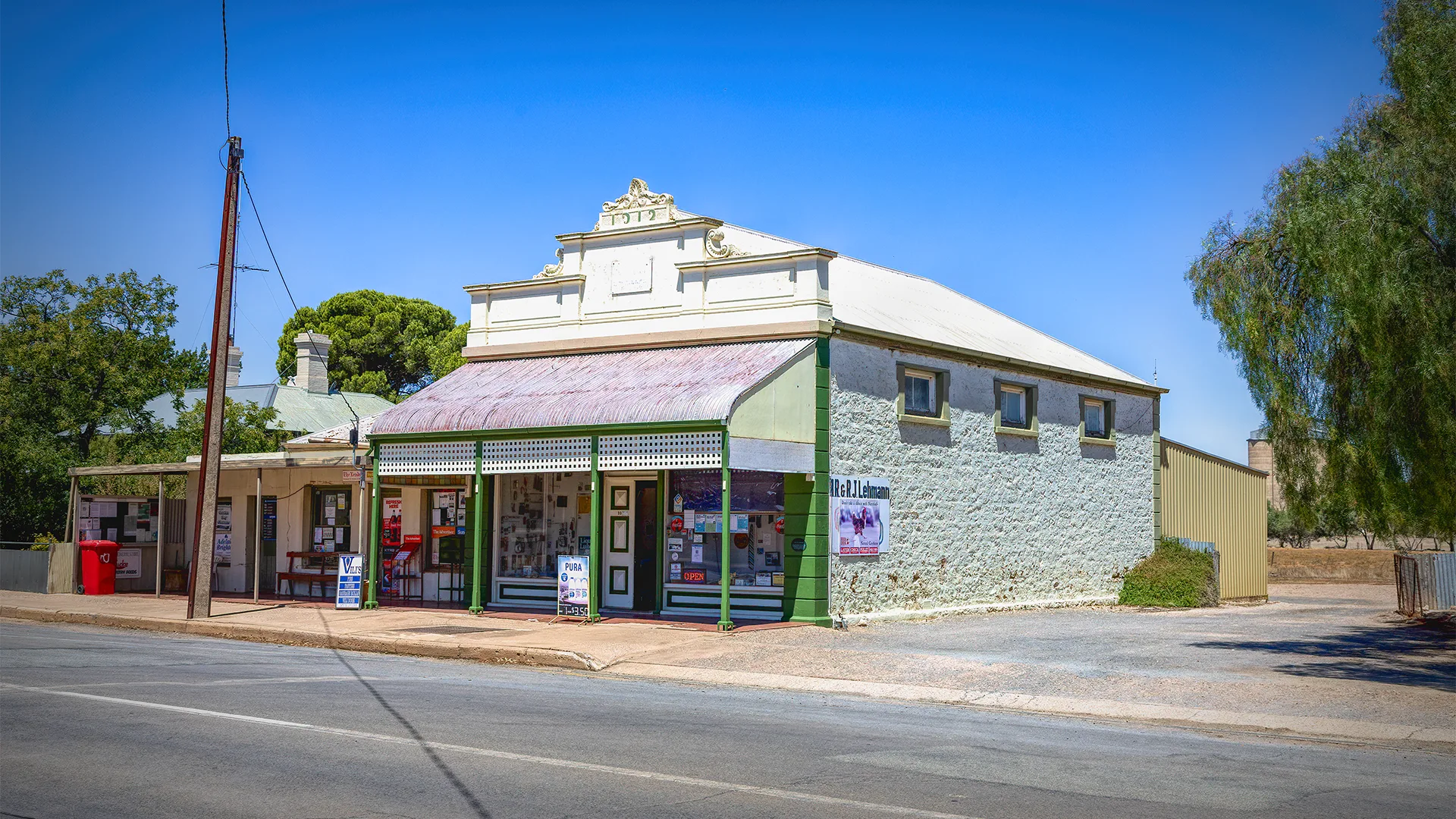
The first shop was a wine shanty operated by Mr. O’Dea, followed by Roberts’ general store and post office. Roberts’ son later built a new store in 1912, which became Lehmann’s Store, a landmark still operating today.
Churches and cemeteries were established, reflecting the strong Lutheran influence among settlers.
Mining and Industry
The SA Asbestos & Mining Co. Ltd began operations in 1894, with a mine 13 km northeast of town. Later, the Blue Hole Mine operated from 1940 to 1951.
Railway Era
Robertstown became the terminus of the Robertstown railway line from Eudunda in 1914, connecting it to Adelaide. Passenger services ceased in 1962, and the line closed in 1990. Today, the former railway yards are landscaped as a park.
Modern Times
The town peaked at around 2,100 residents in 1936, but now has about 223 people. In 2021, Robertstown celebrated 150 years since its naming and European settlement, marked by a mural featuring John Roberts and local farming heritage.
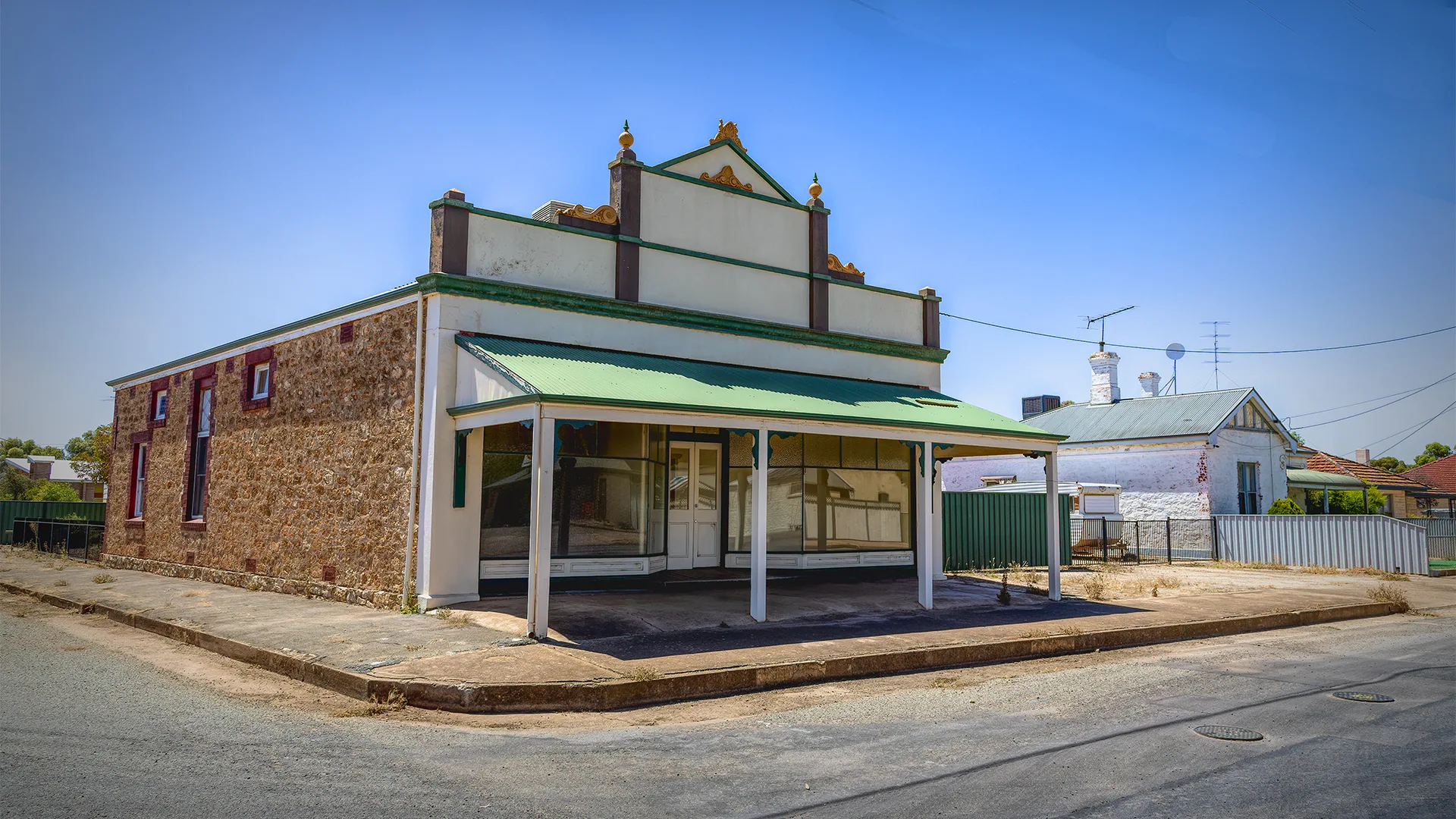
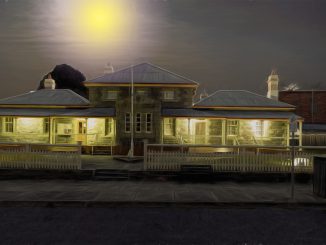
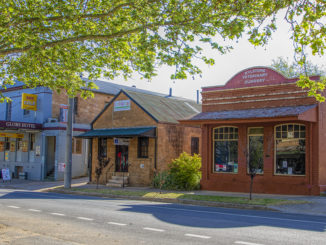
Roberts General Store built in 1871 is pictured below.


Be the first to comment