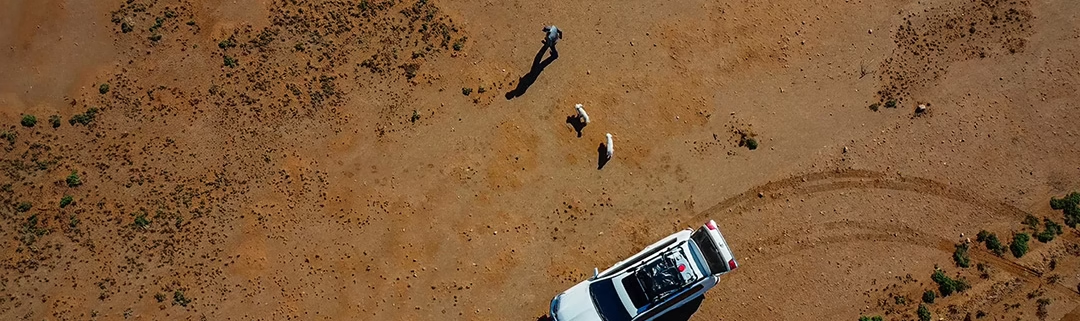

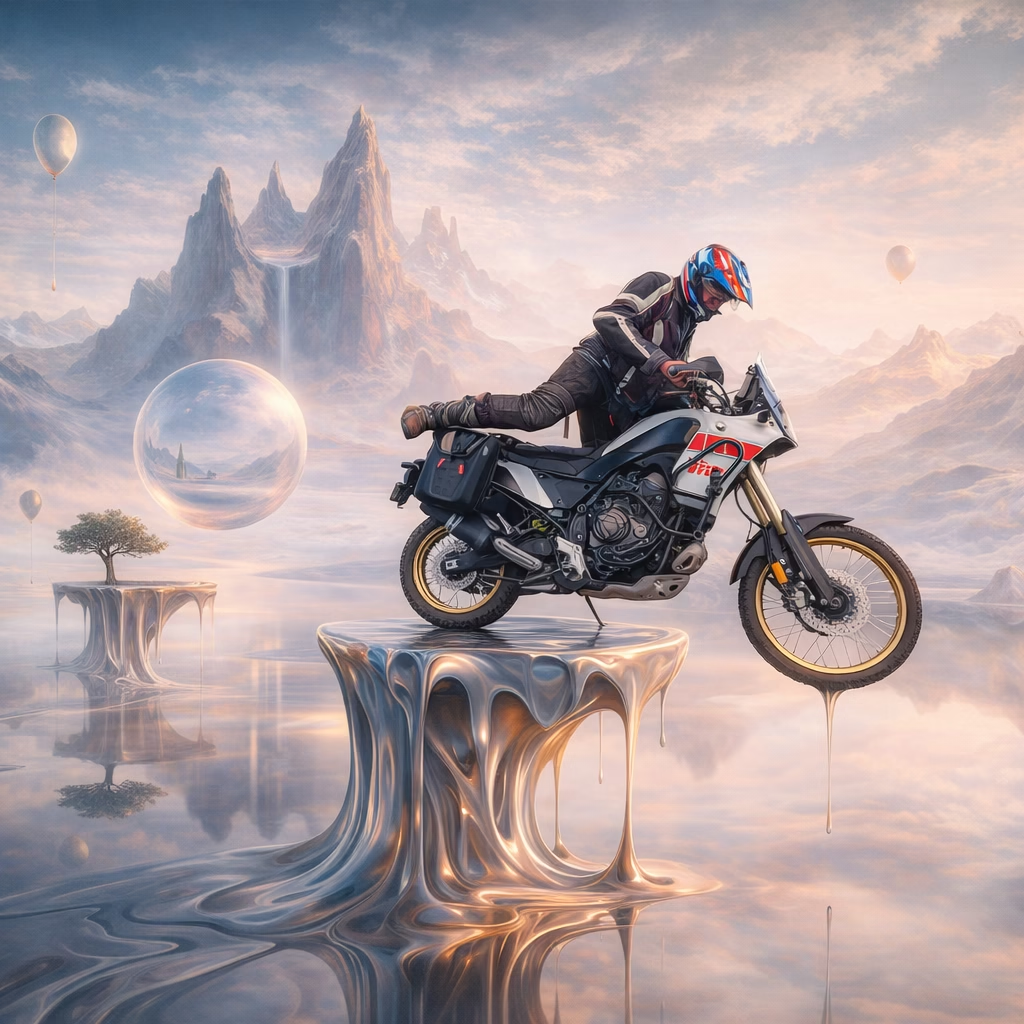
In contemporary photographic art, the concept of the mask has expanded beyond physical objects to include digital masks—filters, avatars, face-tracking effects, and algorithmic alterations that reshape how identity is constructed and perceived. These digital interventions function as modern masks, allowing photographers to explore anonymity, self‑curation, and the tension between authenticity and performance in networked culture.
Digital masks obscure the natural face through pixels rather than fabric, replacing traditional concealment with data-driven transformation. Facial filters can smooth skin, exaggerate features, or overlay entirely new identities, raising questions about who controls representation: the subject, the artist, or the algorithm. In this context, the face becomes a mutable surface, shaped by software and social expectations rather than biology alone. Photographic art that employs digital masking often critiques the pressure to conform to idealised online identities.
Unlike physical masks, digital masks are dynamic and interactive. They respond in real time to movement and expression, blurring the boundary between the real and the artificial. This responsiveness allows artists to visualise fragmented or multiple selves, reflecting how individuals shift personas across platforms such as social media, gaming environments, and virtual spaces. The photograph, traditionally associated with truth and documentation, is thus transformed into a site of constructed reality.
Digital masks also engage with themes of surveillance and visibility. While they can provide anonymity and protection, they are often built on facial-recognition technologies that simultaneously track and analyse the user.
This paradox—hiding while being seen—adds a critical layer to photographic works that use digital masking as a conceptual tool.
Ultimately, digital masks in photographic art reveal how identity in the digital age is layered, edited, and performed. They challenge viewers to reconsider what a portrait represents when the face itself is no longer fixed, but continuously rewritten by technology.
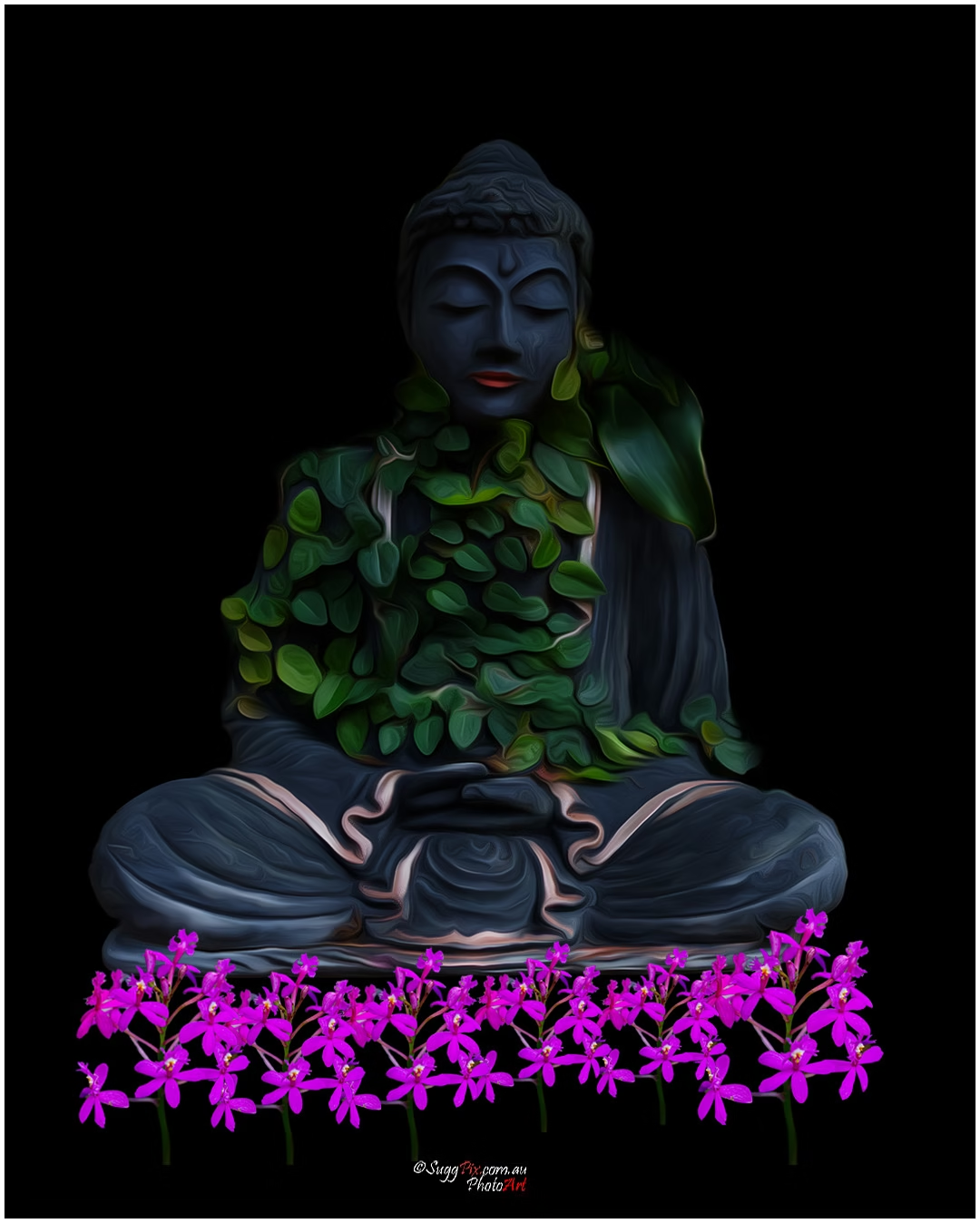
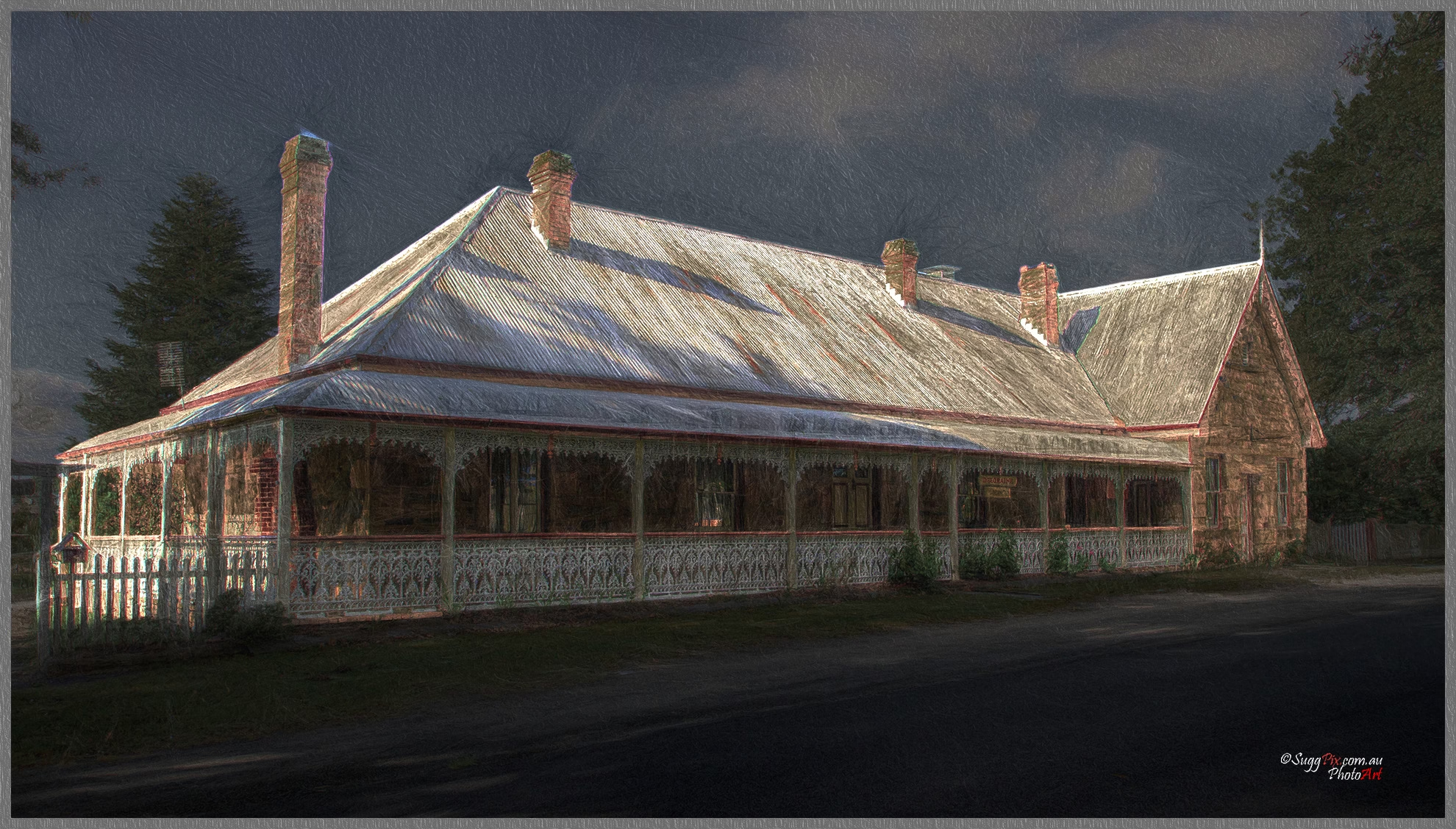
The same process is used in Landscapes and Seascapes to add layers to the original photo to amplify the artistic overtones of the image.


Hey Pete
The technology in digital photography and artwork scares me a bit, worrying about what the wrong sort of people with advanced equipment could do in the modern world to wreak havoc, commit crimes or even trigger conflicts!!
How do we recognize genuine from fake or altered? Hope the investigative forces for good eg. FBI, CIA, Fed Police etc have their tech up to date?